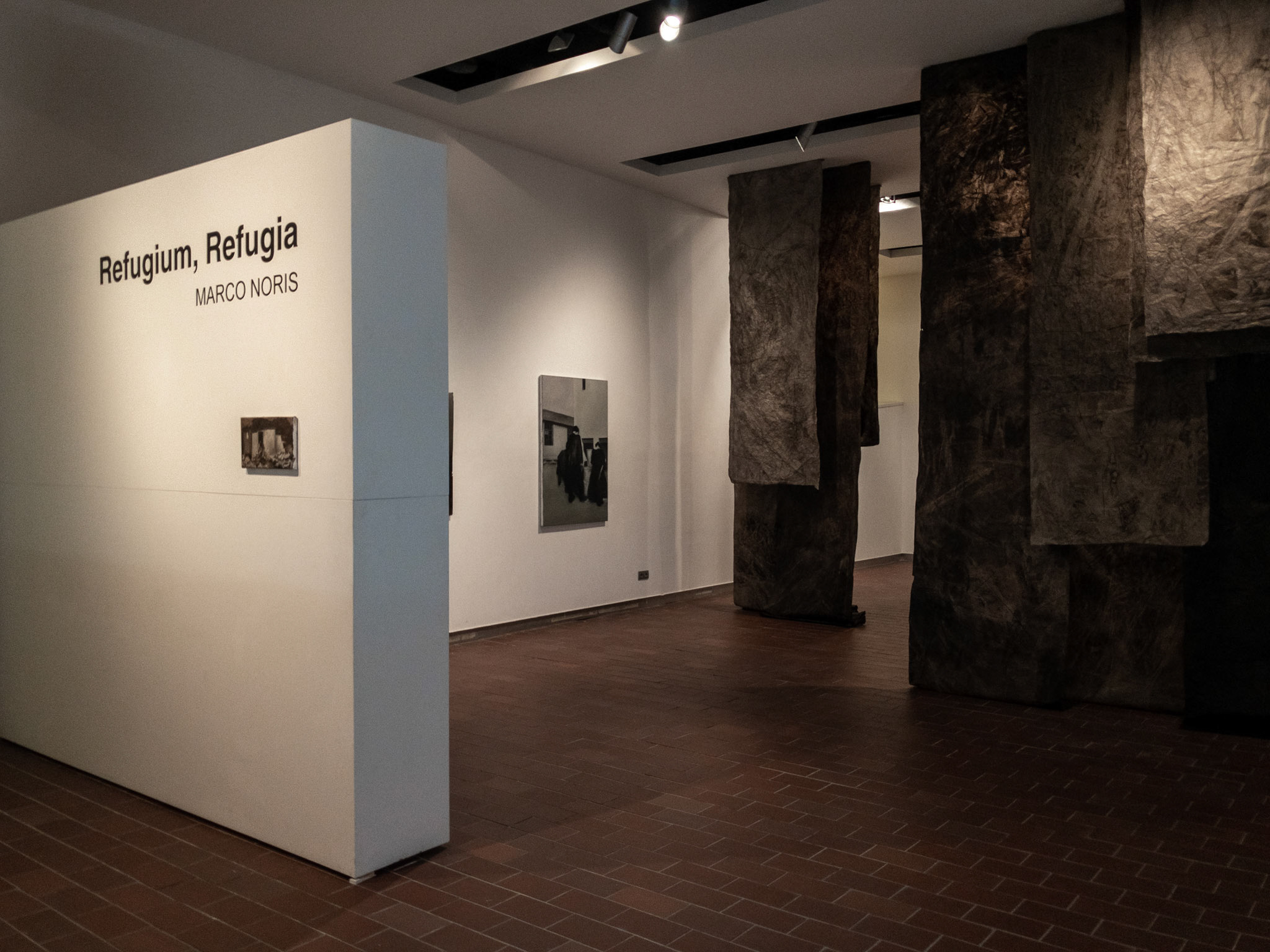
Refugium, refugia
2013/2019
This project takes the former internment camp of Rivesaltes as a starting point to address the historical memory of the Spanish Republican exile. From the site’s ruins, it traces the architectural and human footprints that shape a collective emotional memory where past and present interlock.
Solo and group shows at MuMe – Museum of Exile (La Jonquera, 2019), Roman Temple of Vic (2016), Galeria Sicart (group, Vilafranca del Penedès, 2016) and Galeria Cànem (group and solo, Castellón, 2016).
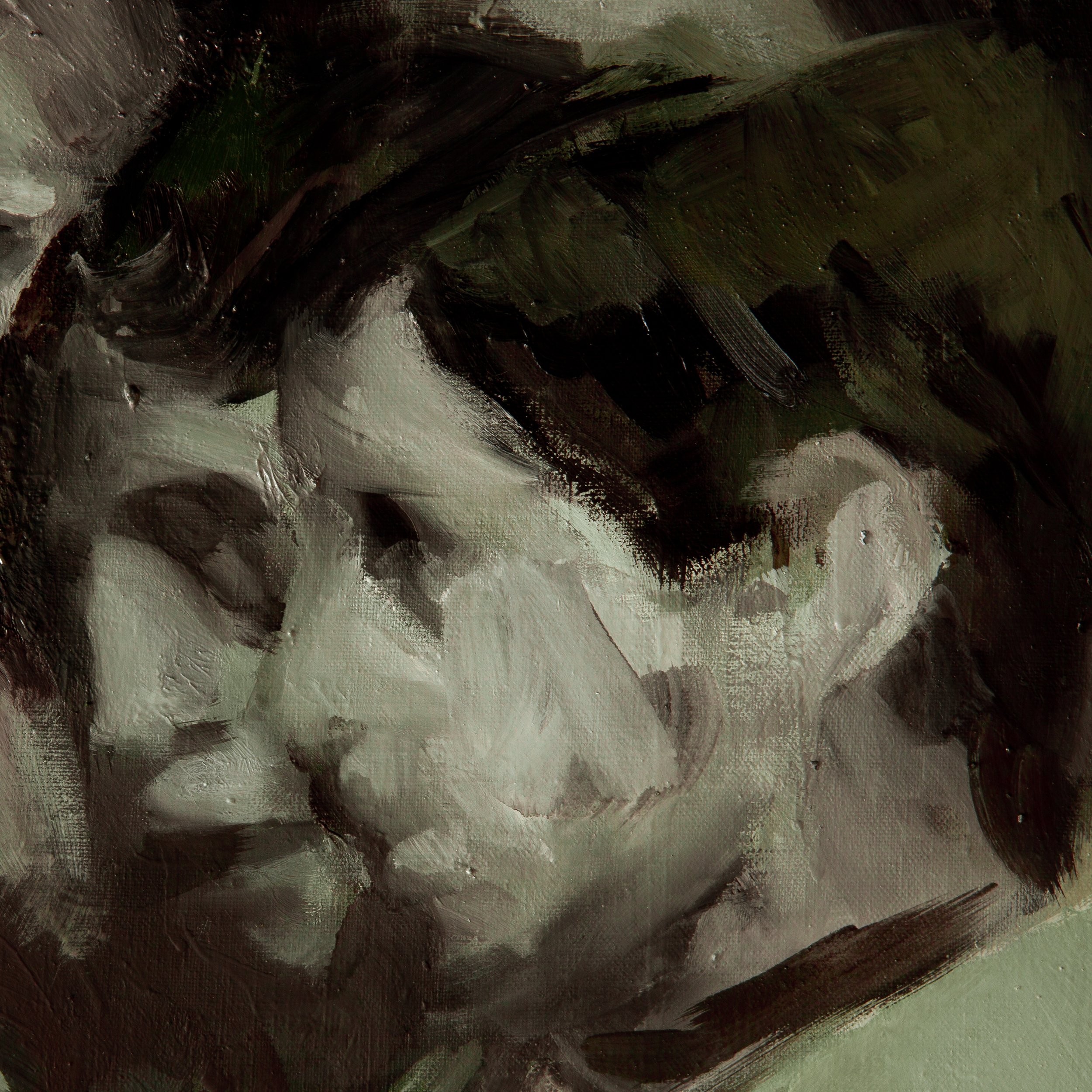
Texts and paratexts (1)
Some years ago, during a visit to the Museum of Exile in La Jonquera, Noris encountered for the first time the history of the Joffre camp of Rivesaltes, a former internment camp in southern France opened in the 1930s to receive Spanish Republican exiles. Far from a one-off episode, the camp stayed active for almost seventy years: it served as a concentration camp during the Nazi occupation and later as an internment site for Algerian Harkis after decolonisation. The history of Rivesaltes cuts across the European 20th century and condenses some of its most traumatic episodes. It becomes a territory from which to explore violence, forced displacement and the fractures of contemporary history. More than a physical place, Rivesaltes is today—when the ruins have yielded their protagonism to memory—a collective emotional space.
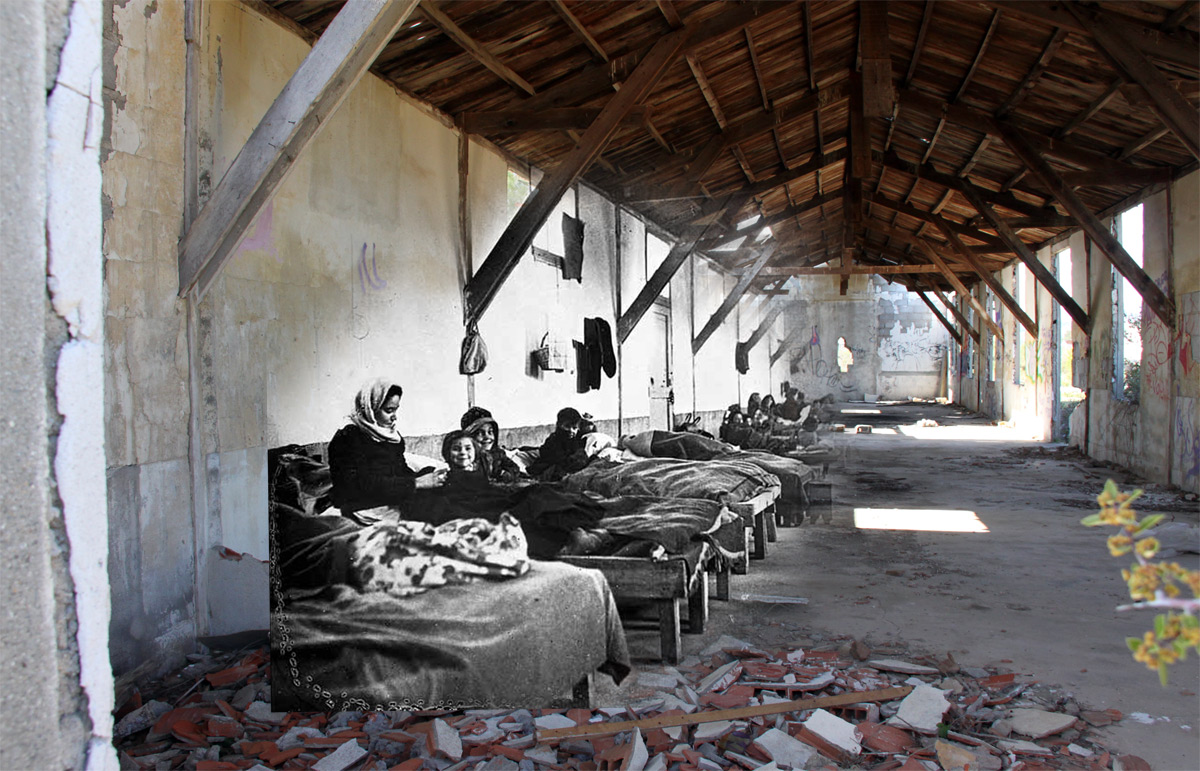
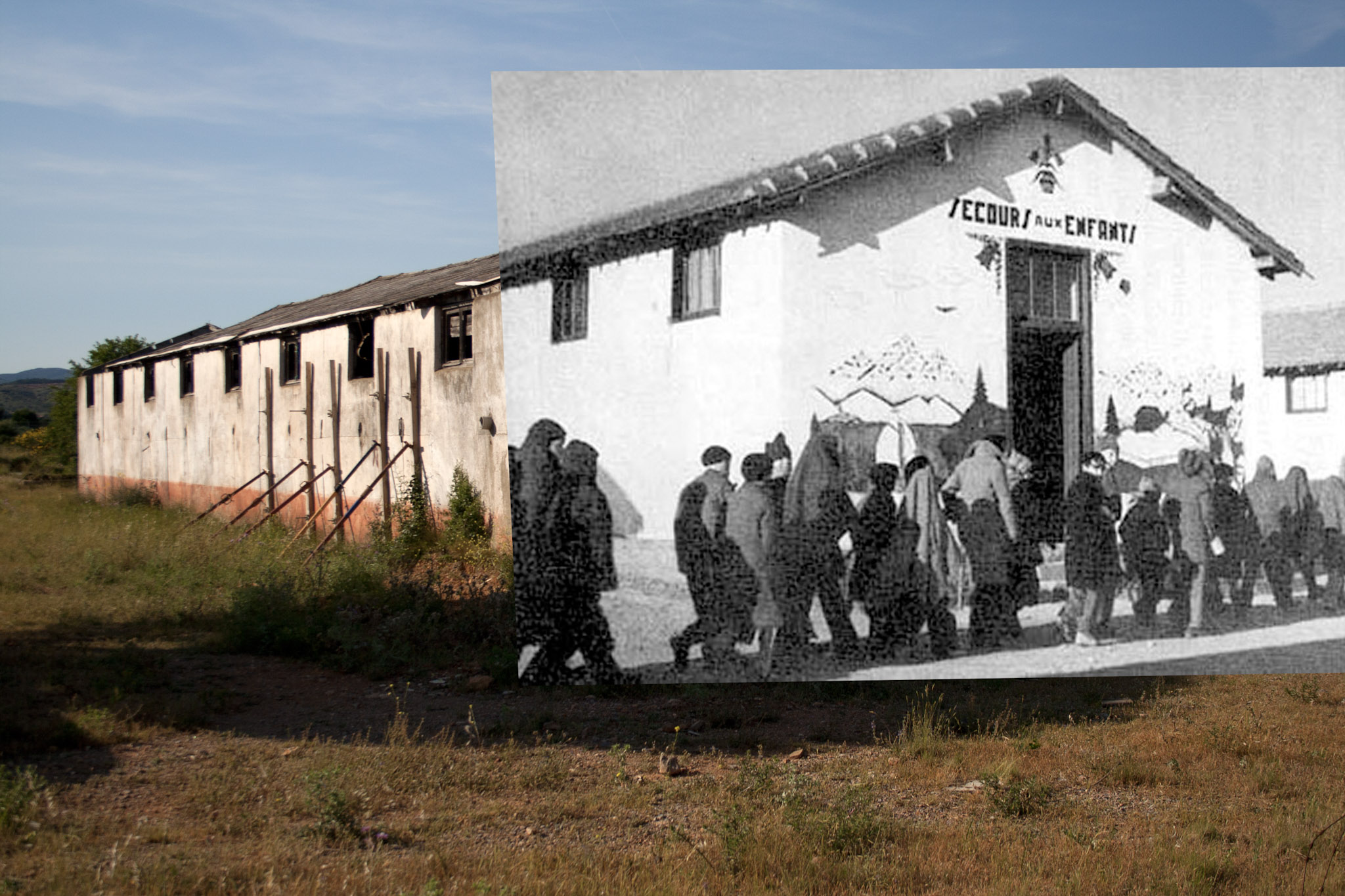
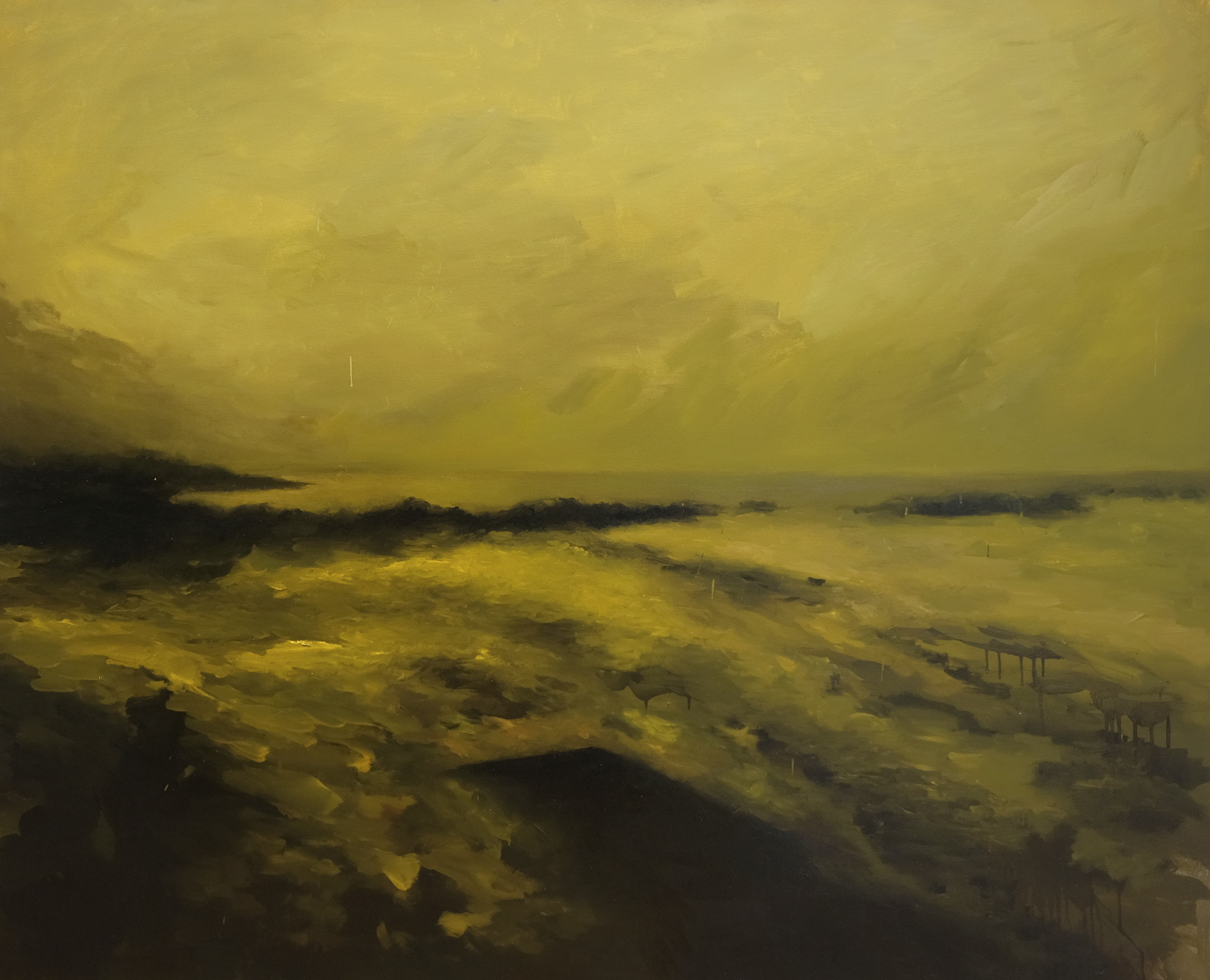
Rivesaltes, the past is present, 2013
The memory of Rivesaltes resonates in today’s reality of camps that, across the world and at Europe’s borders, continue to house millions of displaced lives. Its ruins act as a threshold between past and present, linking 20th‑century history with current migration policies.
However, this project does not seek to become historical research. History here is a point of departure for a journey through collective emotional memory, aiming for an experience that, starting from the individual, aspires to a universal dimension beyond eras, borders and nationalities.
Exhibition Refugium, Refugia (2019) at MuMe – Museum of Exile, La Jonquera, Spain
Refugium, refugia is born from that devastated space, witness and victim of multiple human tragedies. For Noris, Rivesaltes is not a historical topic but a starting point to question the ties between memory, uprooting and the present. The camp’s ruins intertwine with today’s detention centres and refugee camps which, at Europe’s and the world’s borders, perpetuate the same drama of exclusion. The work reflects on the continuity between the camps of the past and the contemporary devices of migration control, where history reappears in new political and material forms.
The exhibition title refers to the Latin term refugium, which meant both a place of flight and a return—an escape route or a shelter. In the plural, refugia also evoked the domestic hiding places where people protected their belongings in times of danger. Noris embraces this ambivalence—shelter and flight, retreat and displacement—to address refuge as a state of permanent transit, as a sign of structural vulnerability.

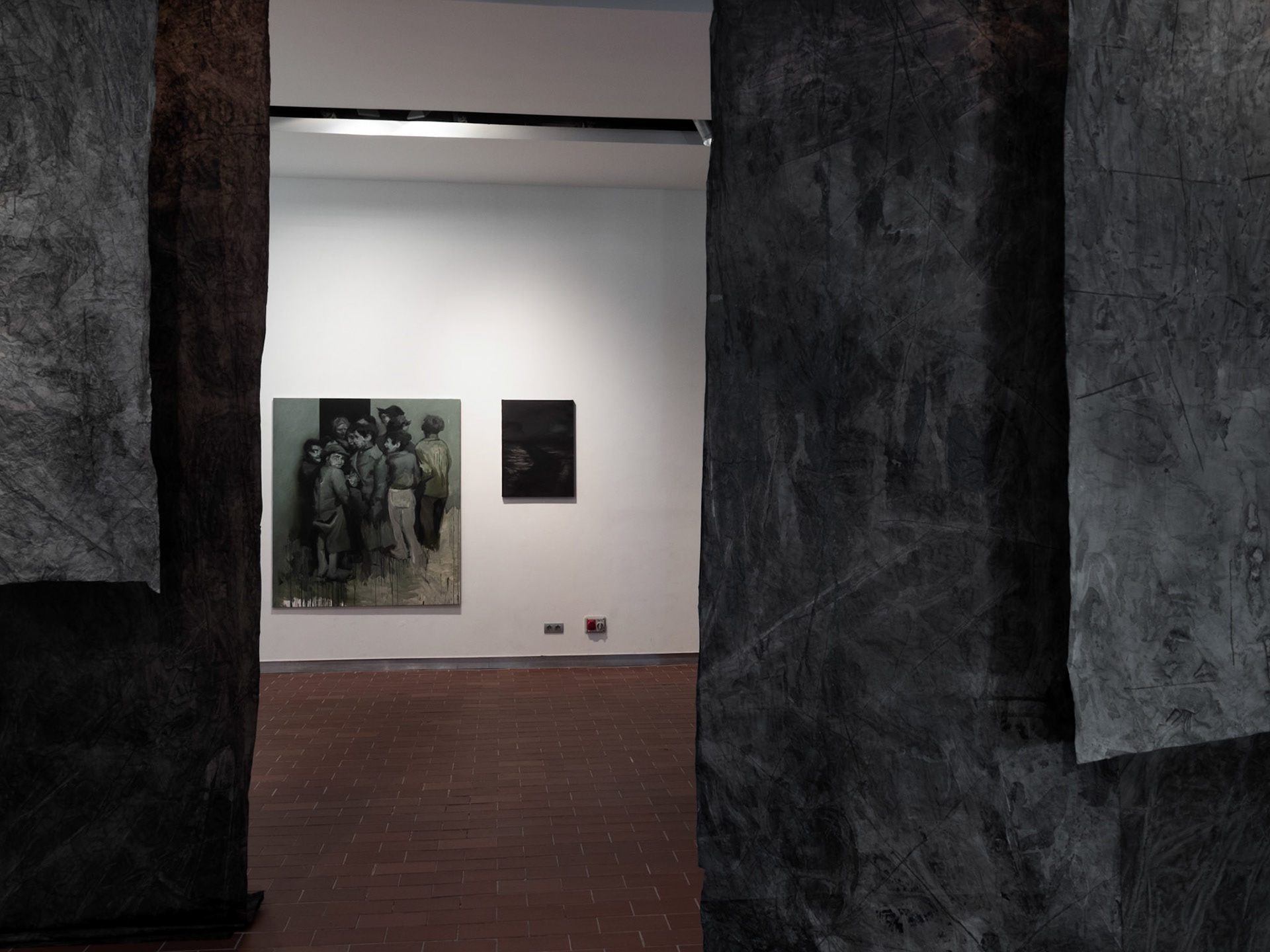
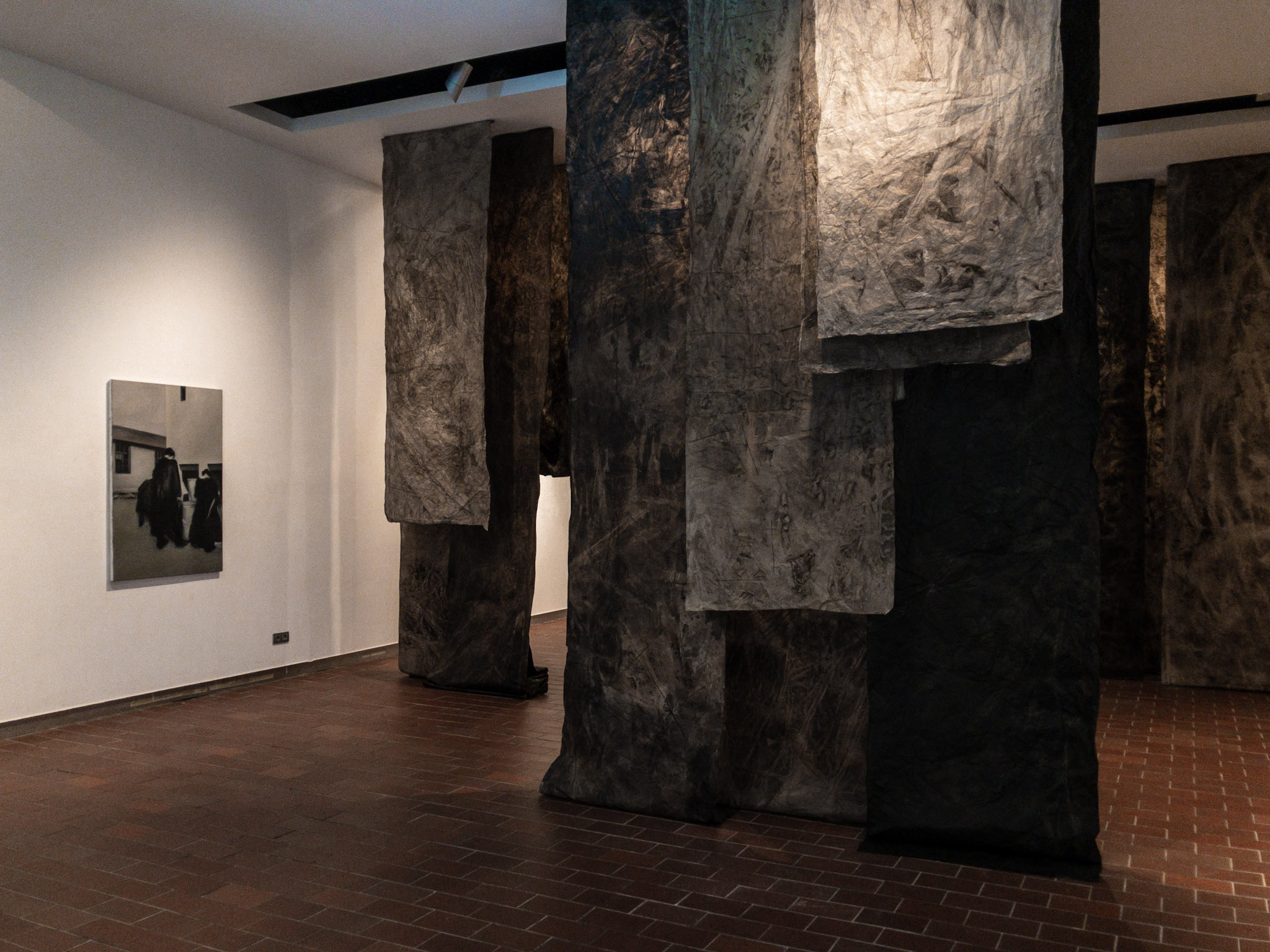
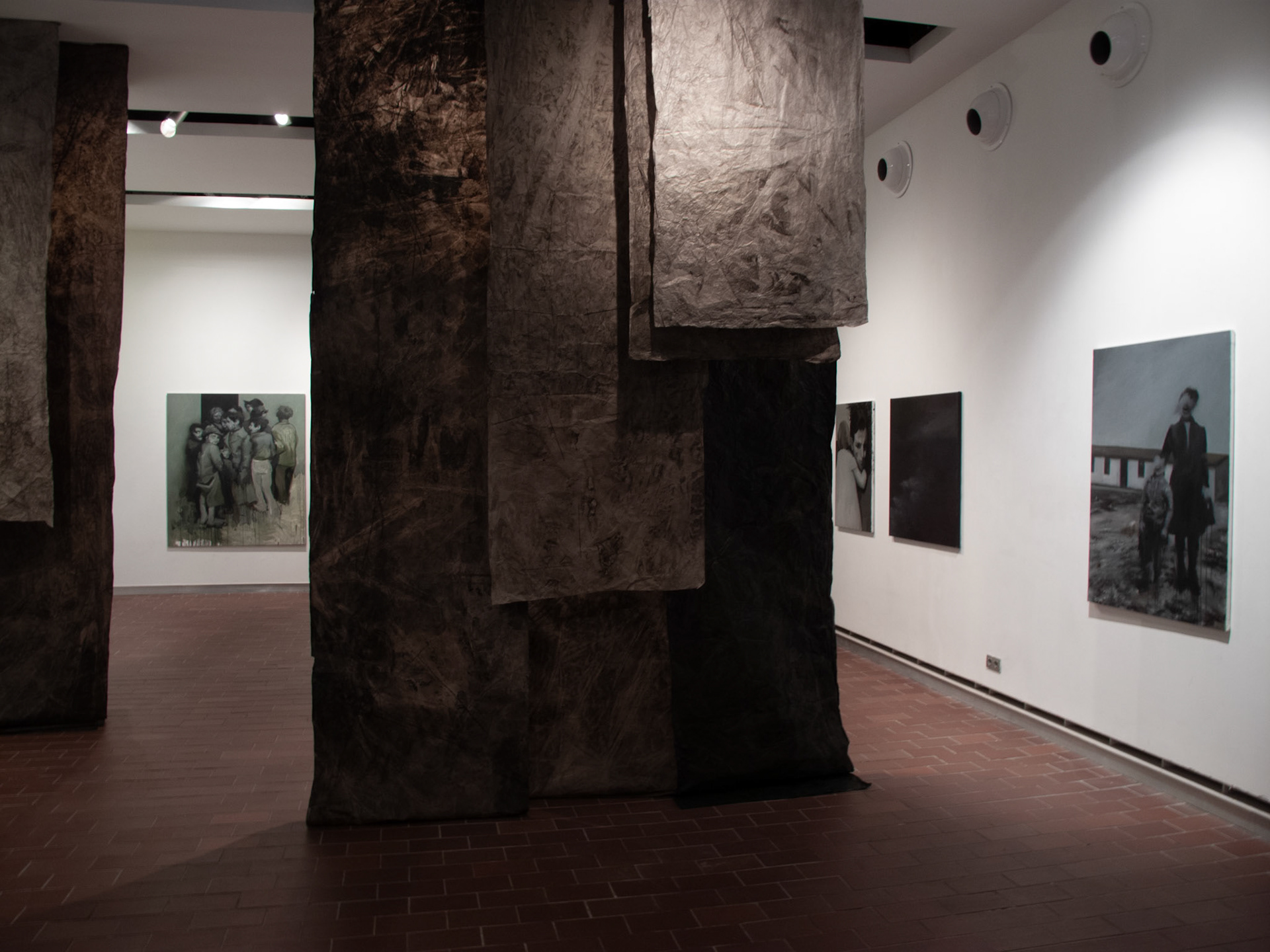
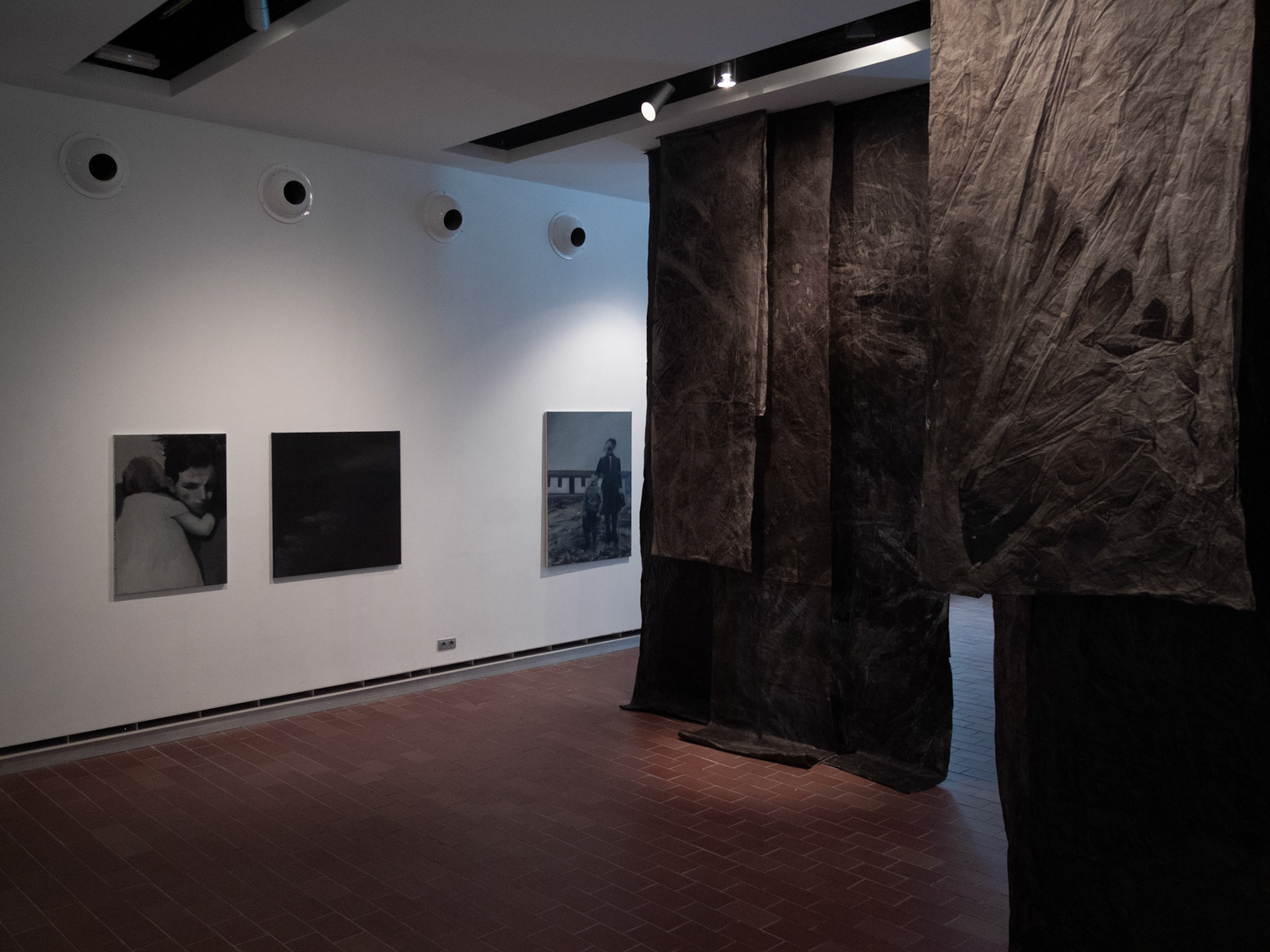
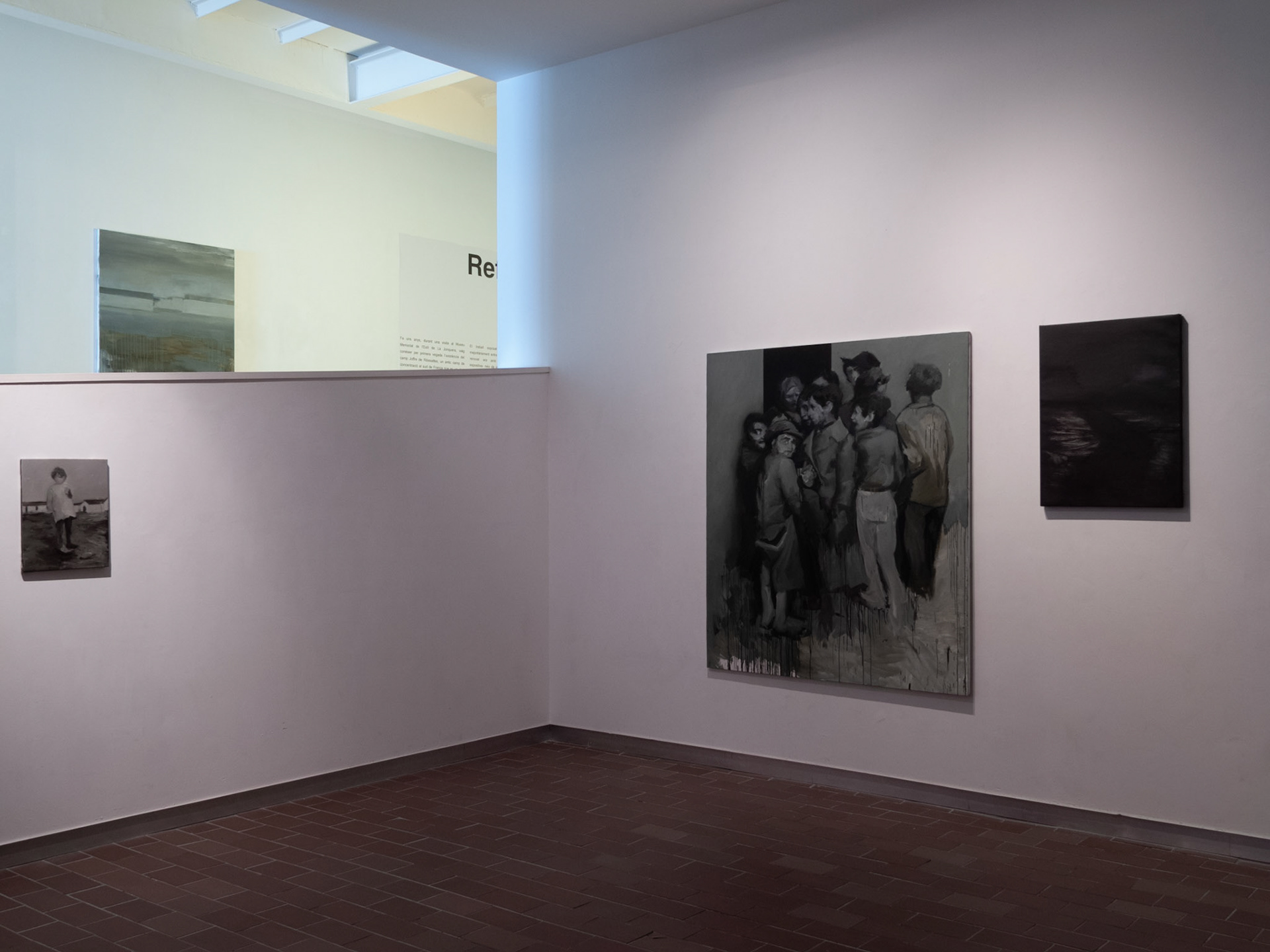
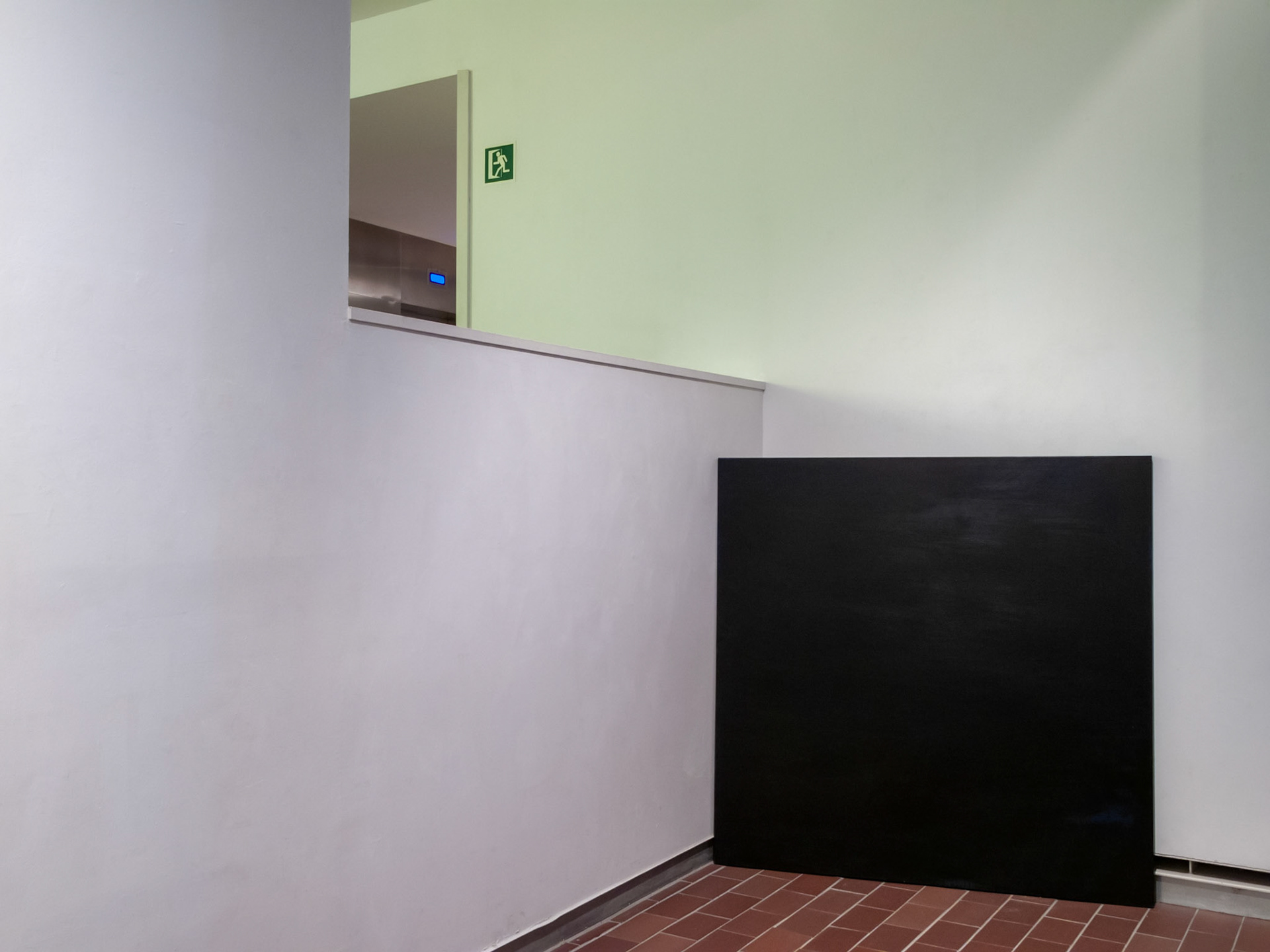
Refugium, Refugia. 2019, MuMe – Museu Memorial de l’Exili, La Jonquera, Spain
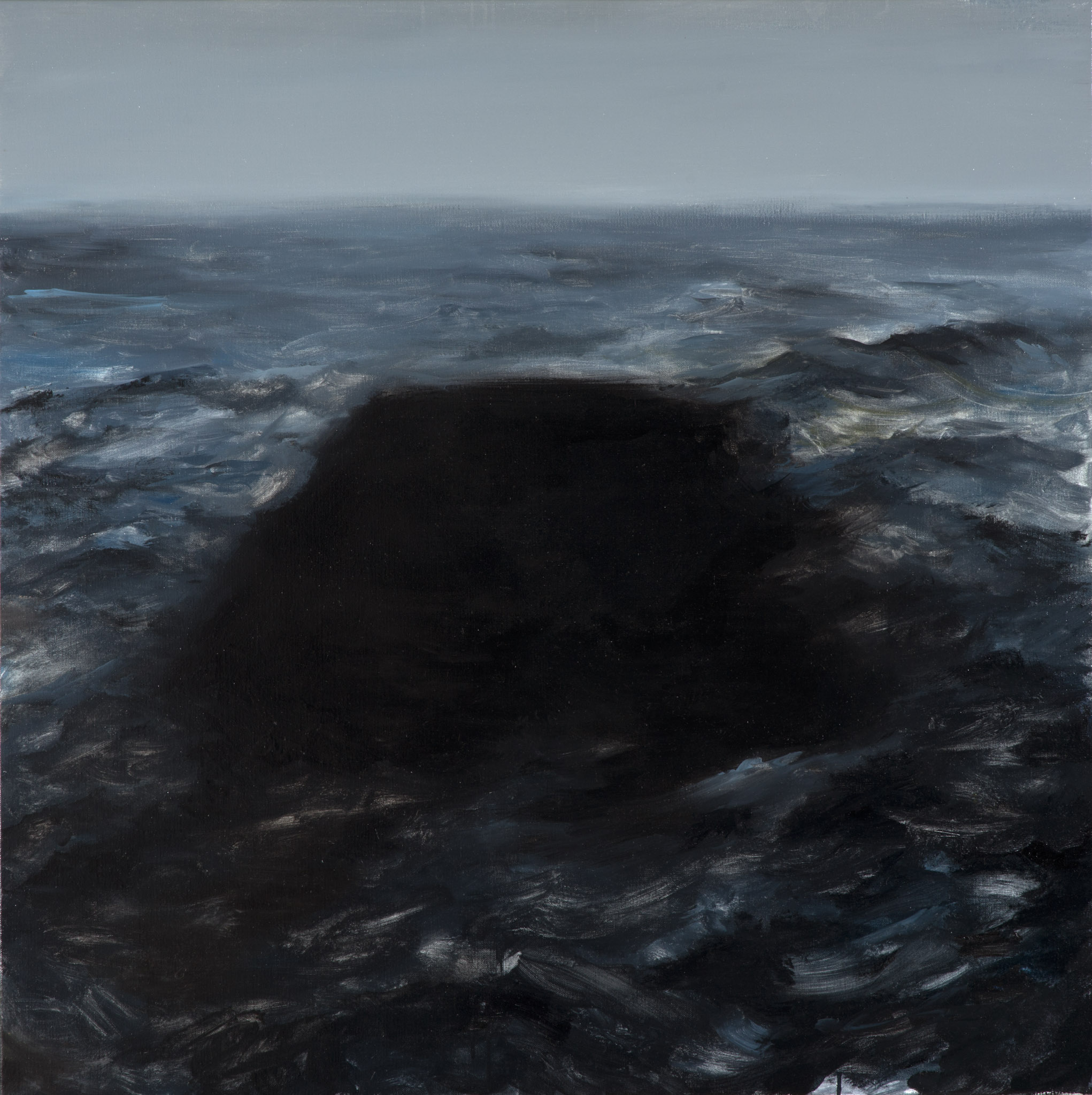
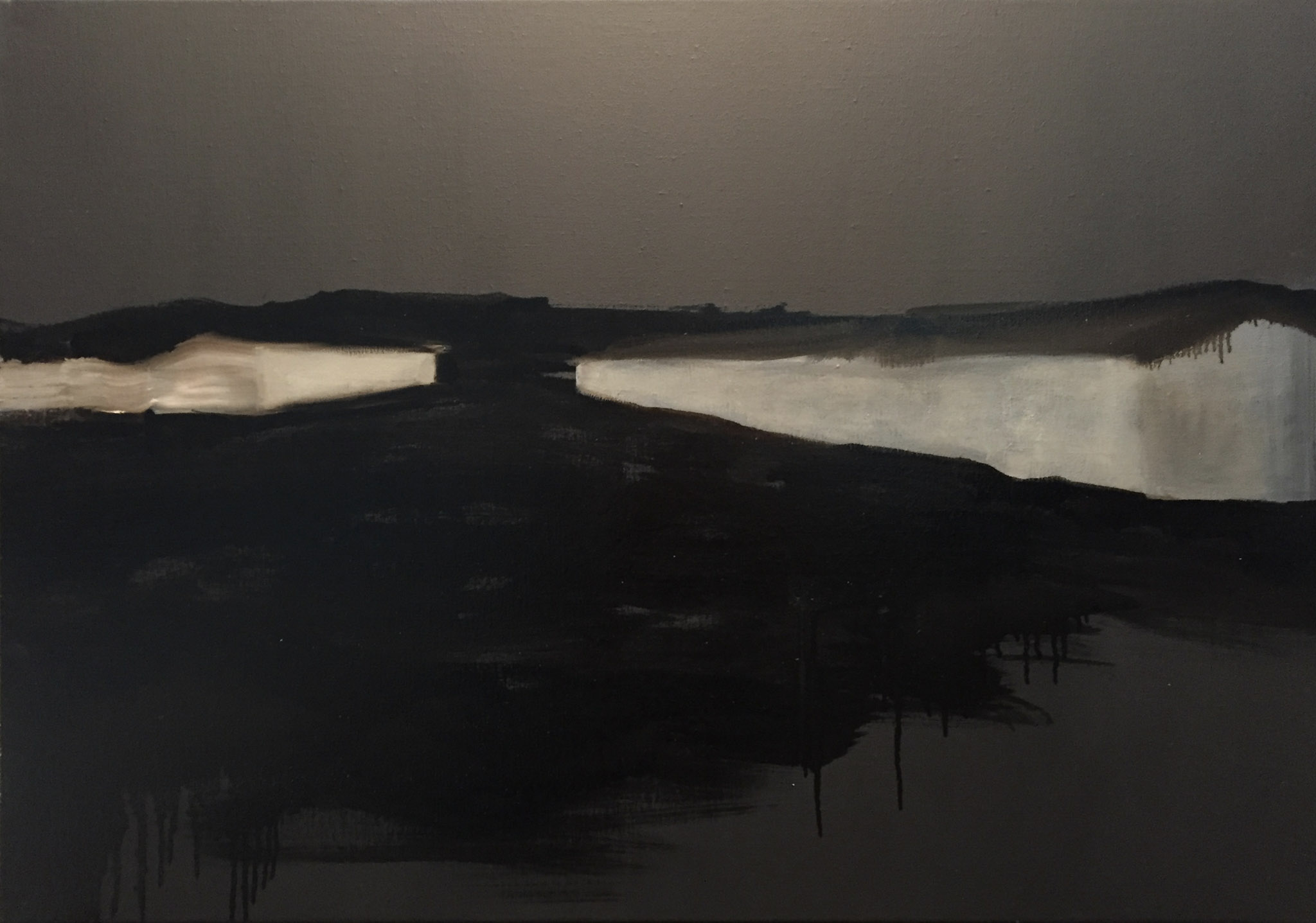
The works gathered in Refugium, refugia explore the physical and emotional landscapes of exile: pits, tumuli, boxes or holes that function simultaneously as refuge and condemnation. These places condense the tension between the need for protection and its denial, and point to the loss of identity and dignity that defines the condition of the refugee.
In this context, the figure of the banished person becomes a universal paradigm: someone who, unable to return home, is also unable to inhabit another. For Noris, uprooting is an irreversible trauma that touches the very foundations of the human—a persistent echo that links history’s pasts to the wounds of the present.
(In)refuges, 2016
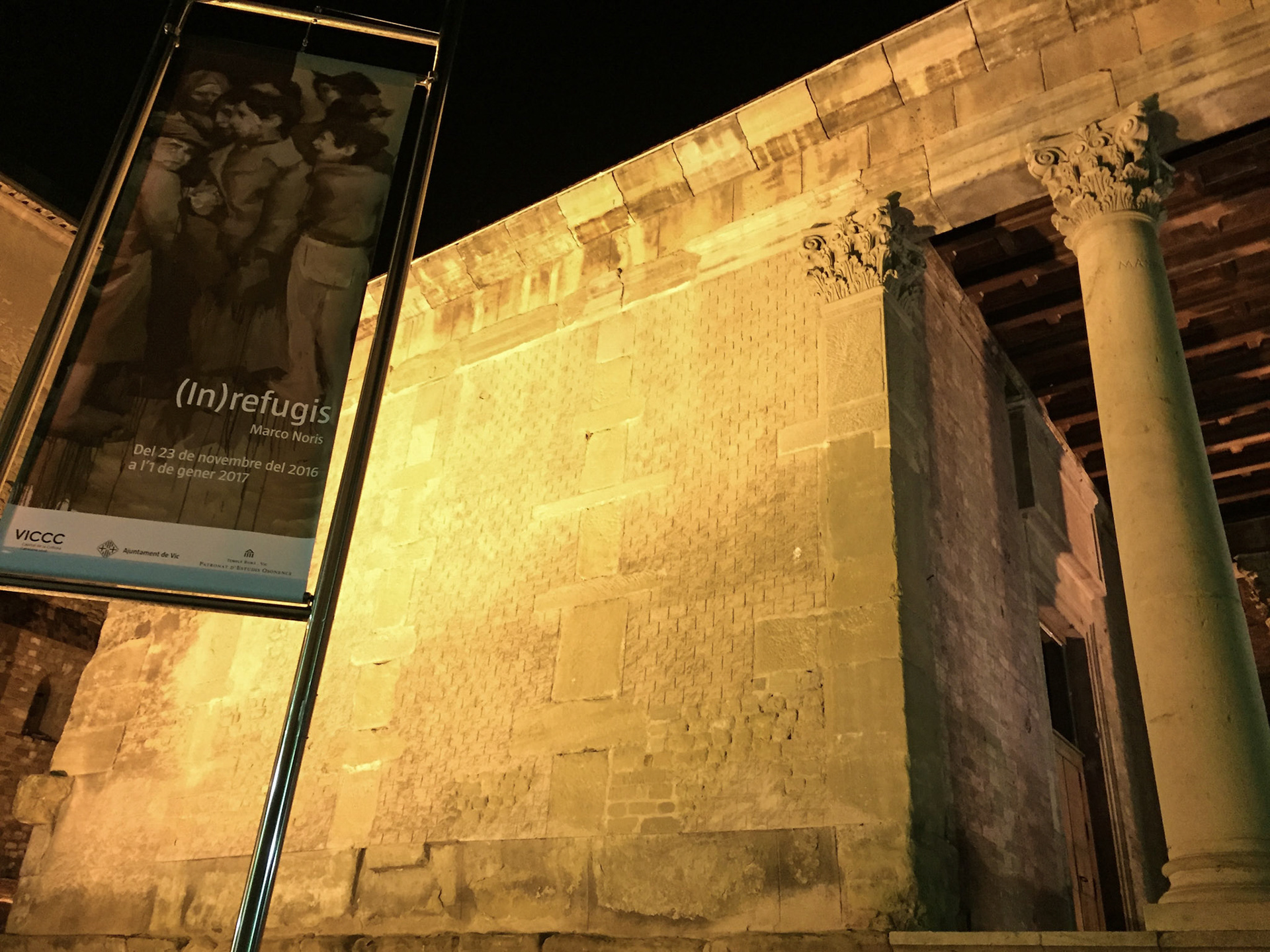
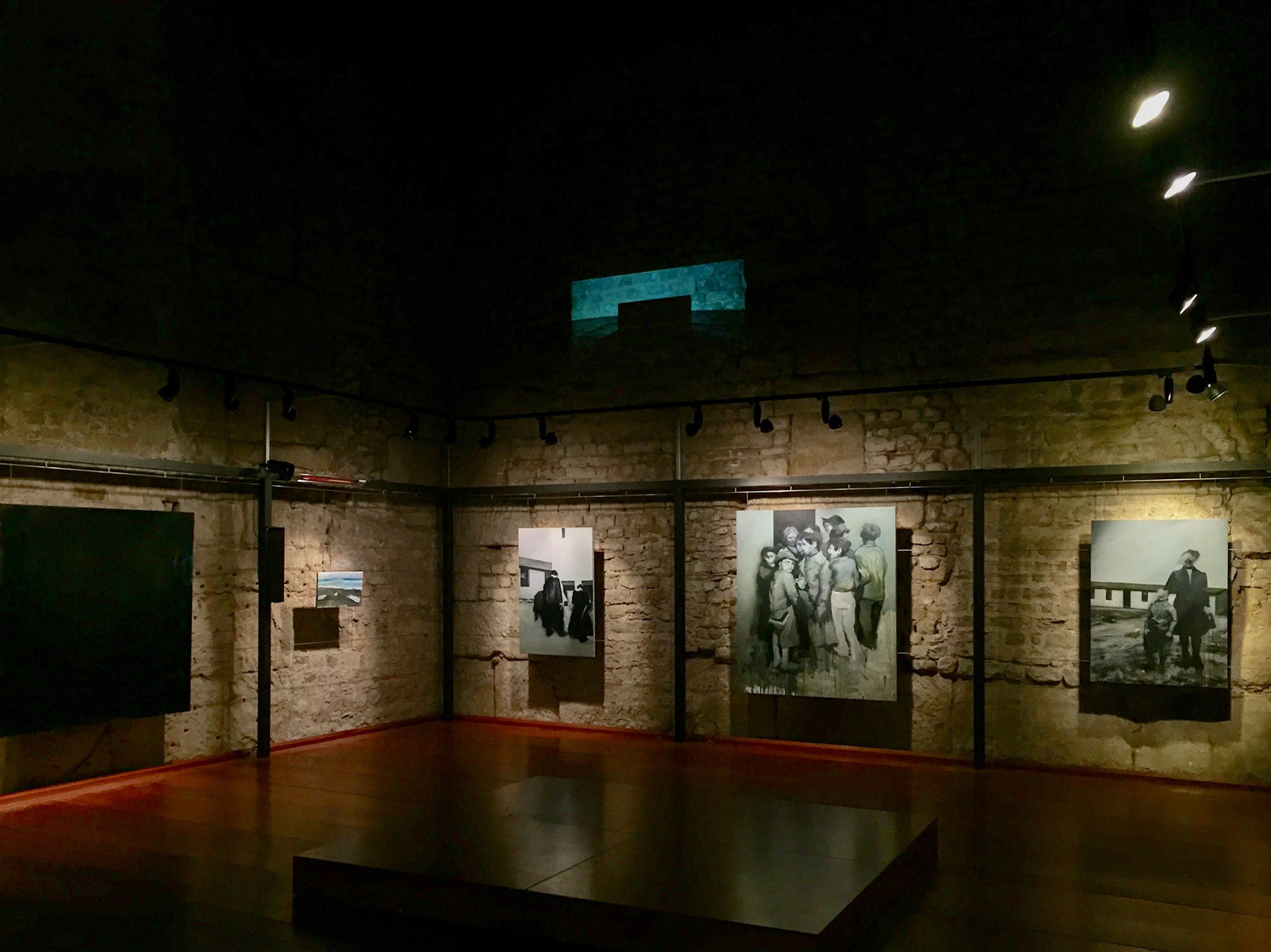
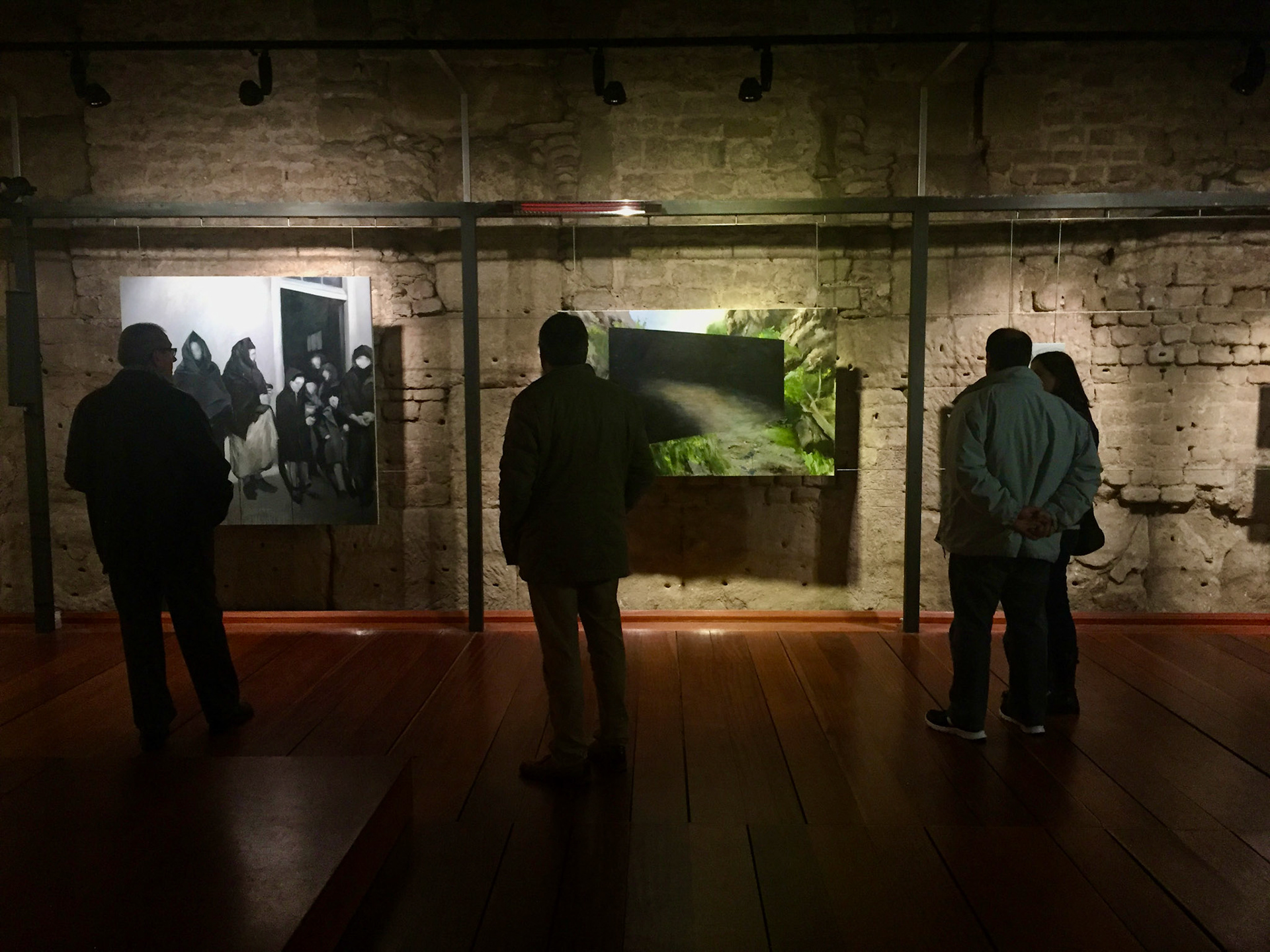
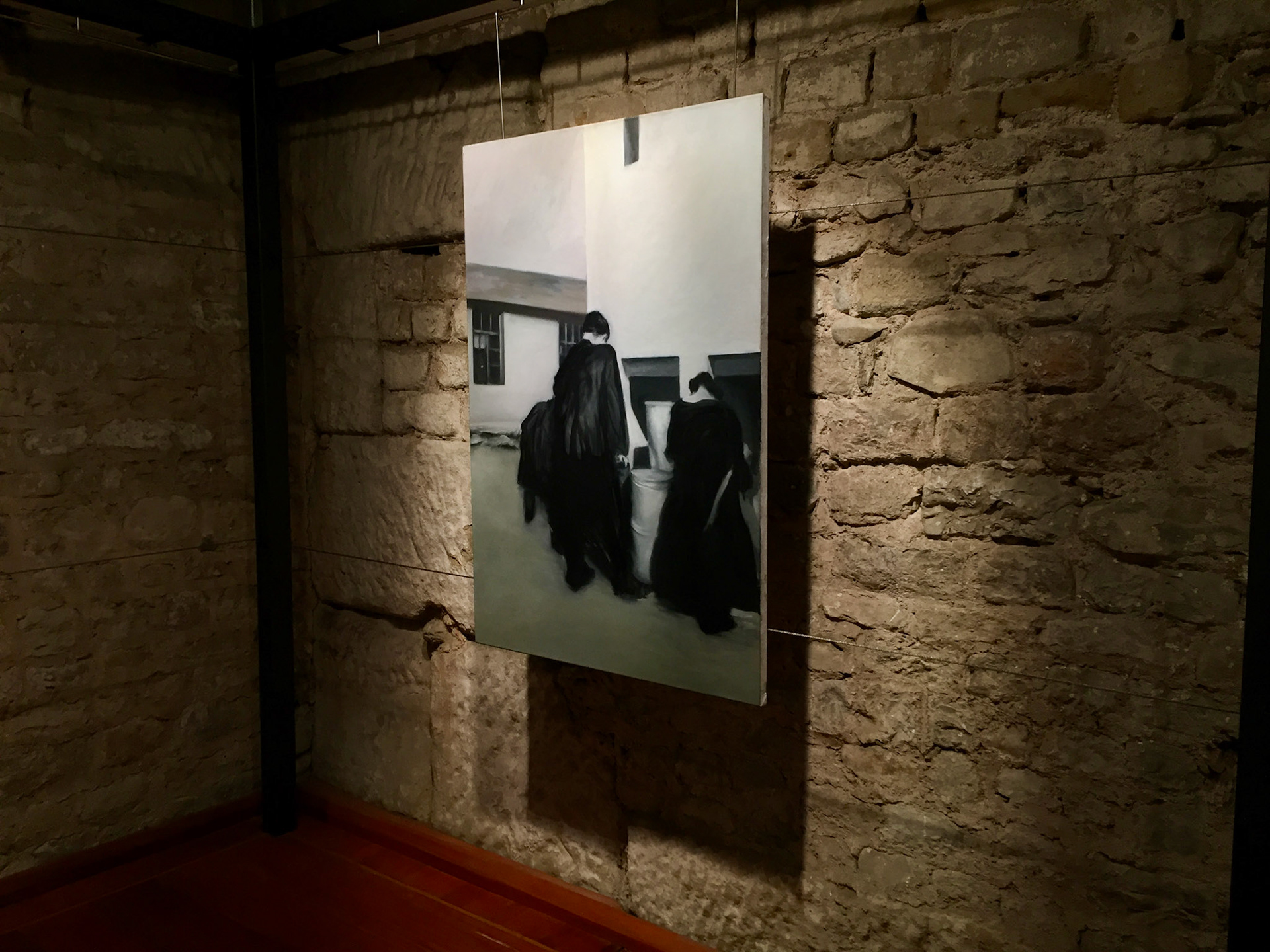
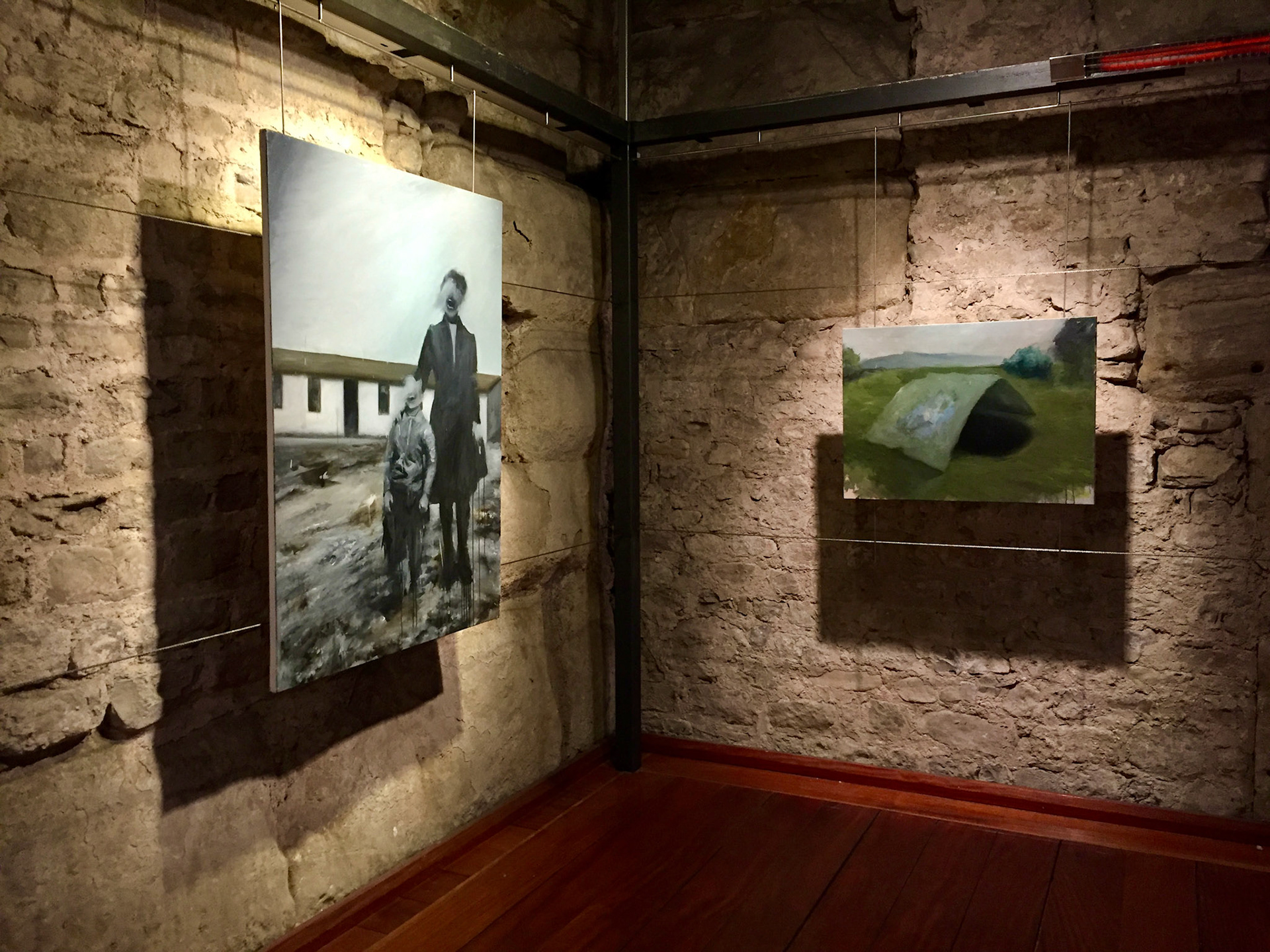
(In)refugios. 2016, Temple Romà, Vic, España
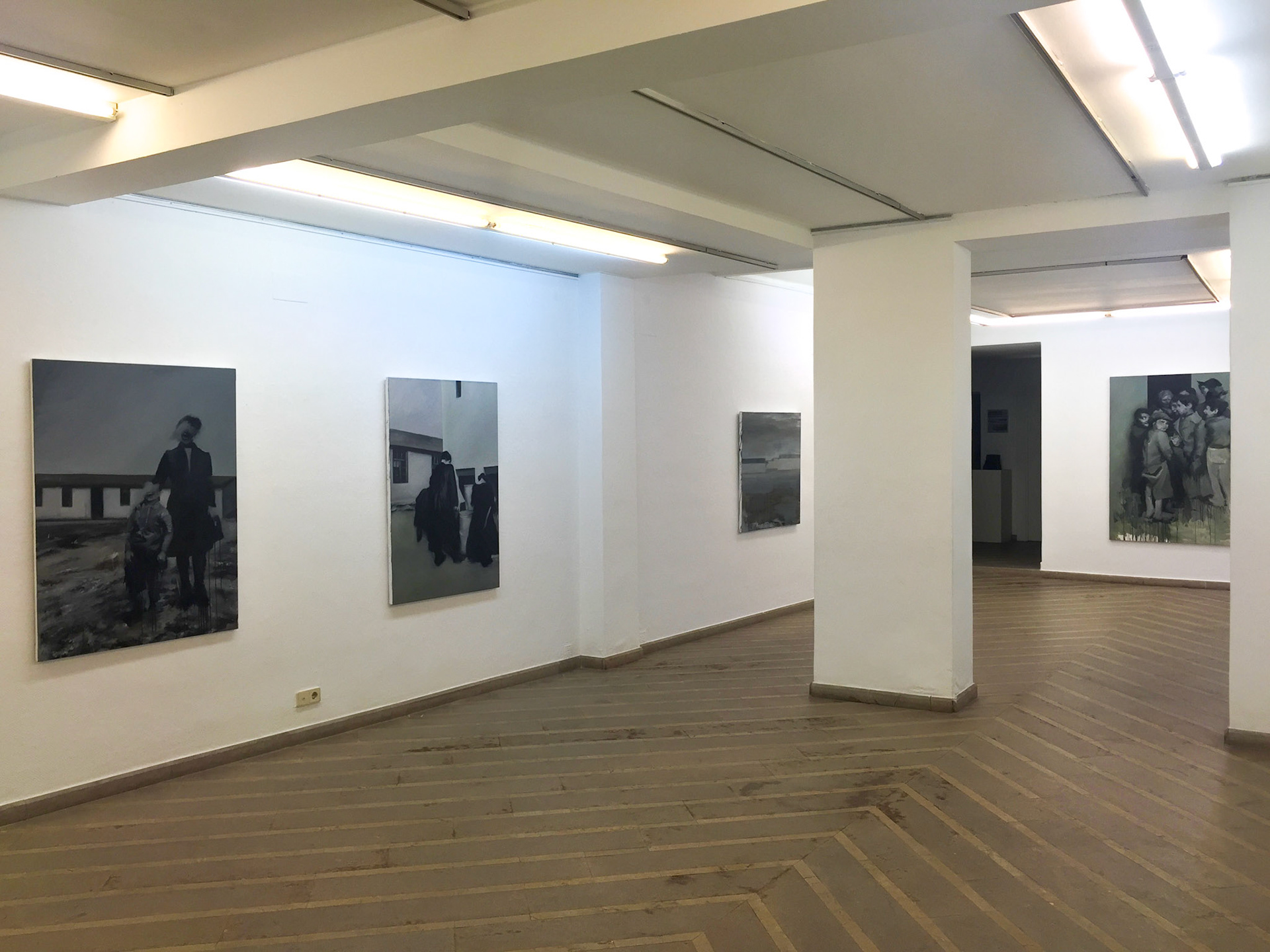
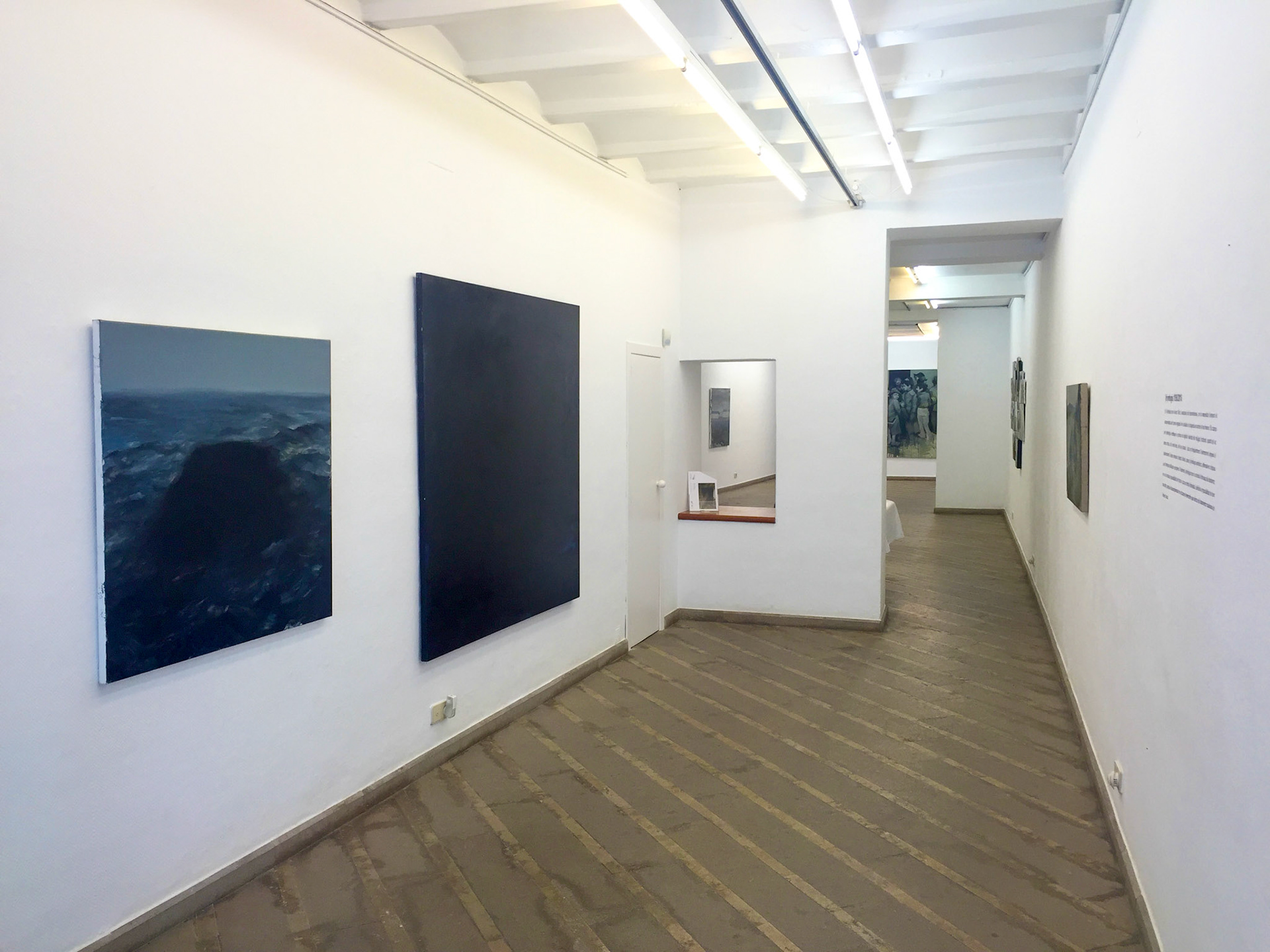
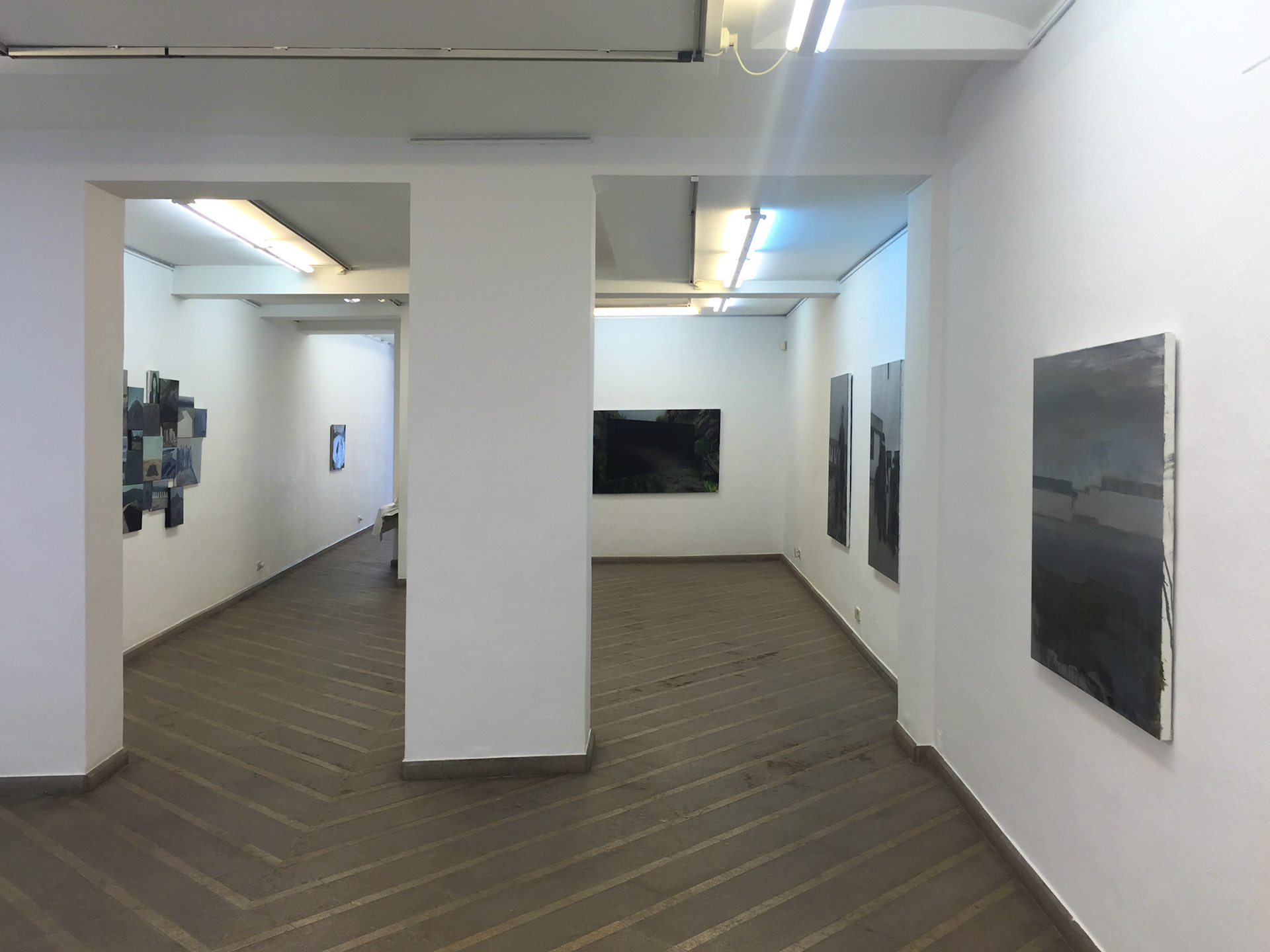
(In)refugios. 2016, Galeria Canem, Castellón de la Plana, España
This project was made possible thanks to the support of La Escocesa and Hangar, creation centres in Barcelona. Thanks also to Jordi Font, Miquel Serrano, Alfons Quera and all the colleagues at MuME, Paula Bruna, Carlos Puyol, Miquel Bardagil, Mireia Martínez i Raül Segarra, Tere Badia, Kike Bela, Antonio Bela Armada, Pep Dardanyà, Piramidón, Yann Molina, Elodie Montes, Judith López, Pilar Mestre, Mar Arza.