Projects
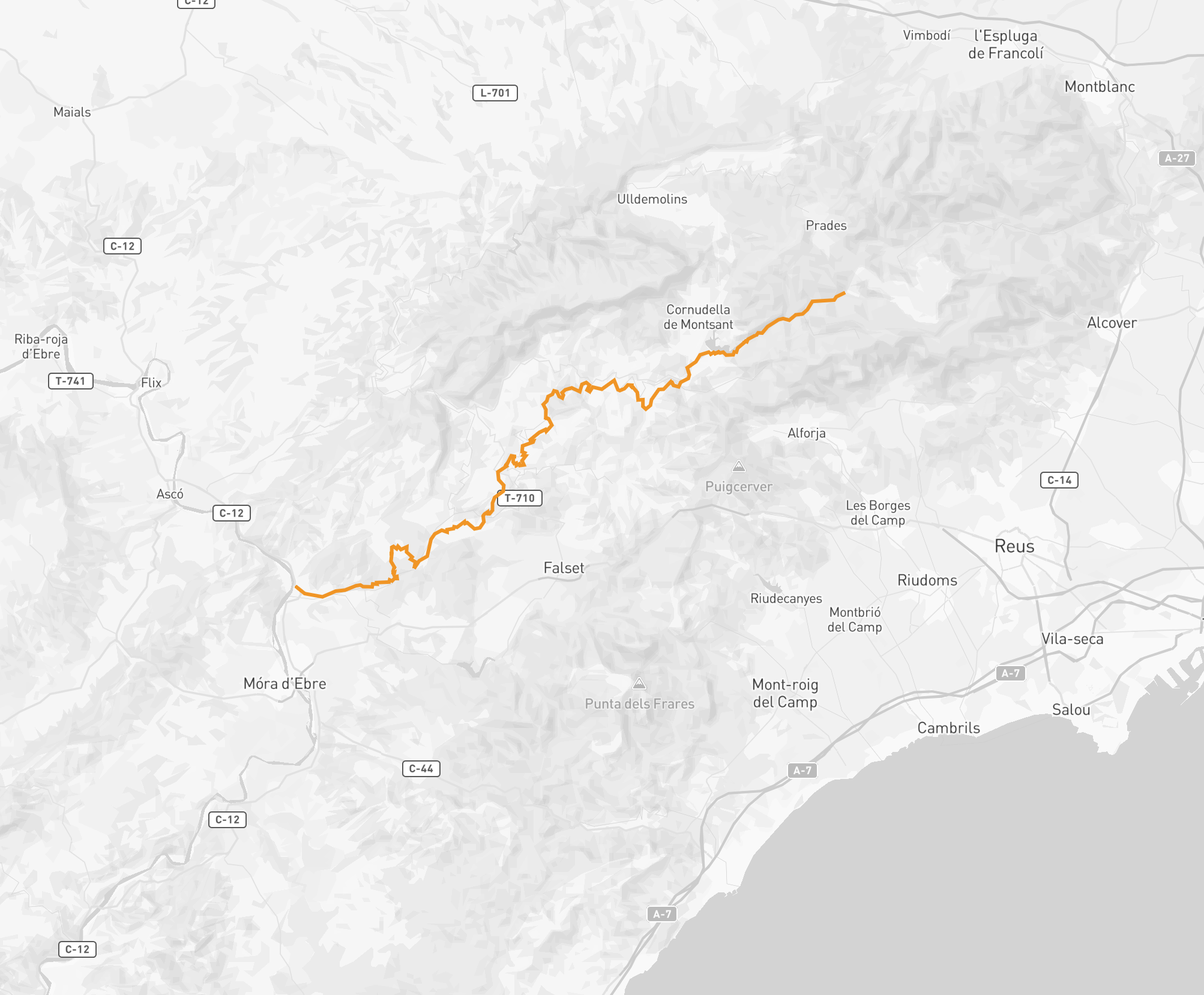
The Open Shore (La vora oberta)
“La vora oberta” begins with a journey along the Siurana river, from its source in the Prades Mountains to its confluence with the Ebro. The project addresses the water transfer to Riudecanyes as a territorial and symbolic wound that empties the river’s natural course and turns it into an extracted body. Between action and pictorial record, the project traces a poetic reading of dependence, displacement and the territory’s survival.
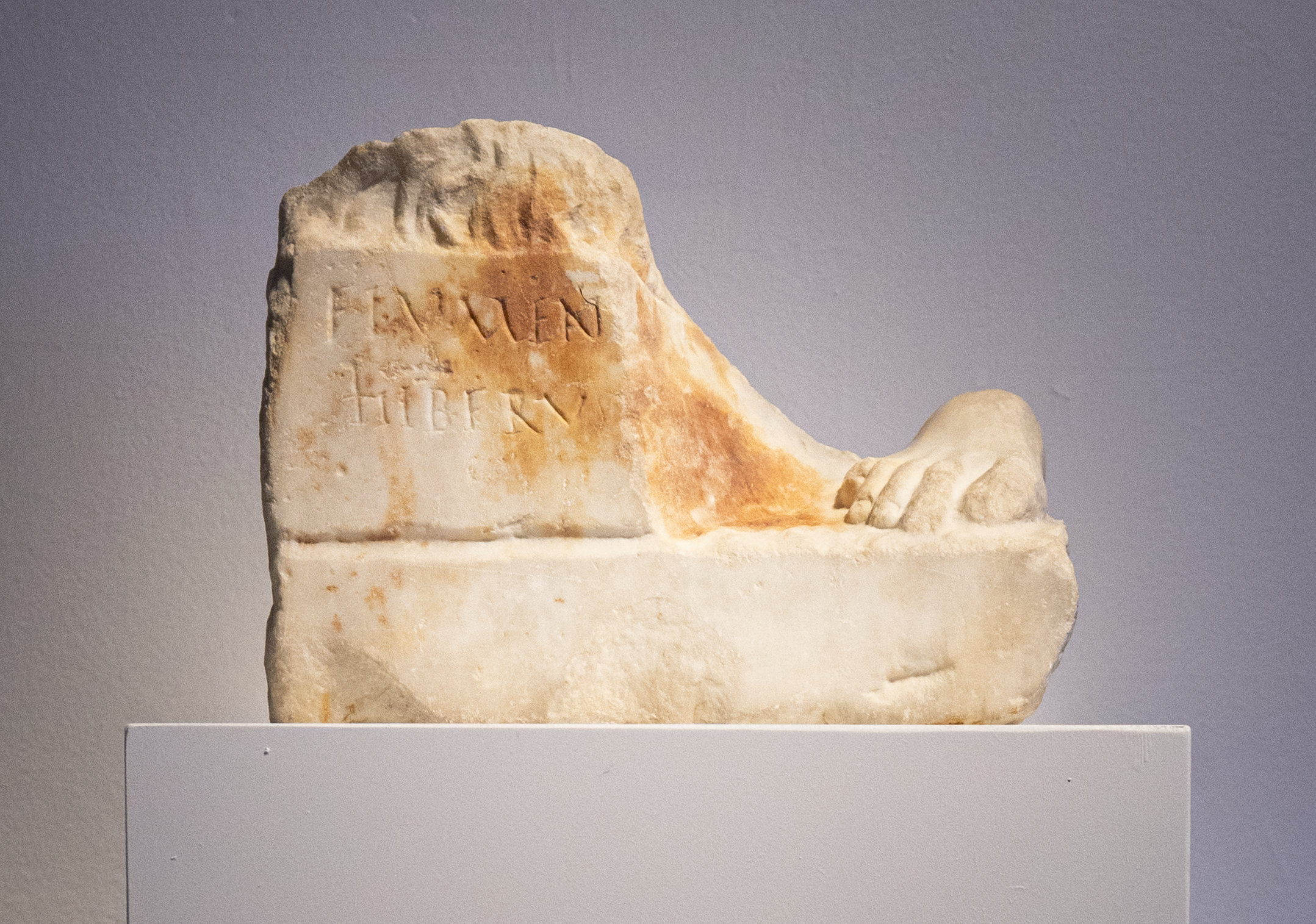
Body Ebro (La Entrega III)
Body Ebro is an artistic project that explores the river as body, border, and archive. It is based on a journey on foot from the source of the Ebro to its mouth in the Mediterranean, establishing a dialogue between the body-artist and the river-body as a space of collective memory. Inspired by Sequere, a previous project by Marco Noris, Body Ebro proposes a real-time reading of the territory, where the act of walking activates a new embodiment of memory, linking geography, history, and climate emergency.
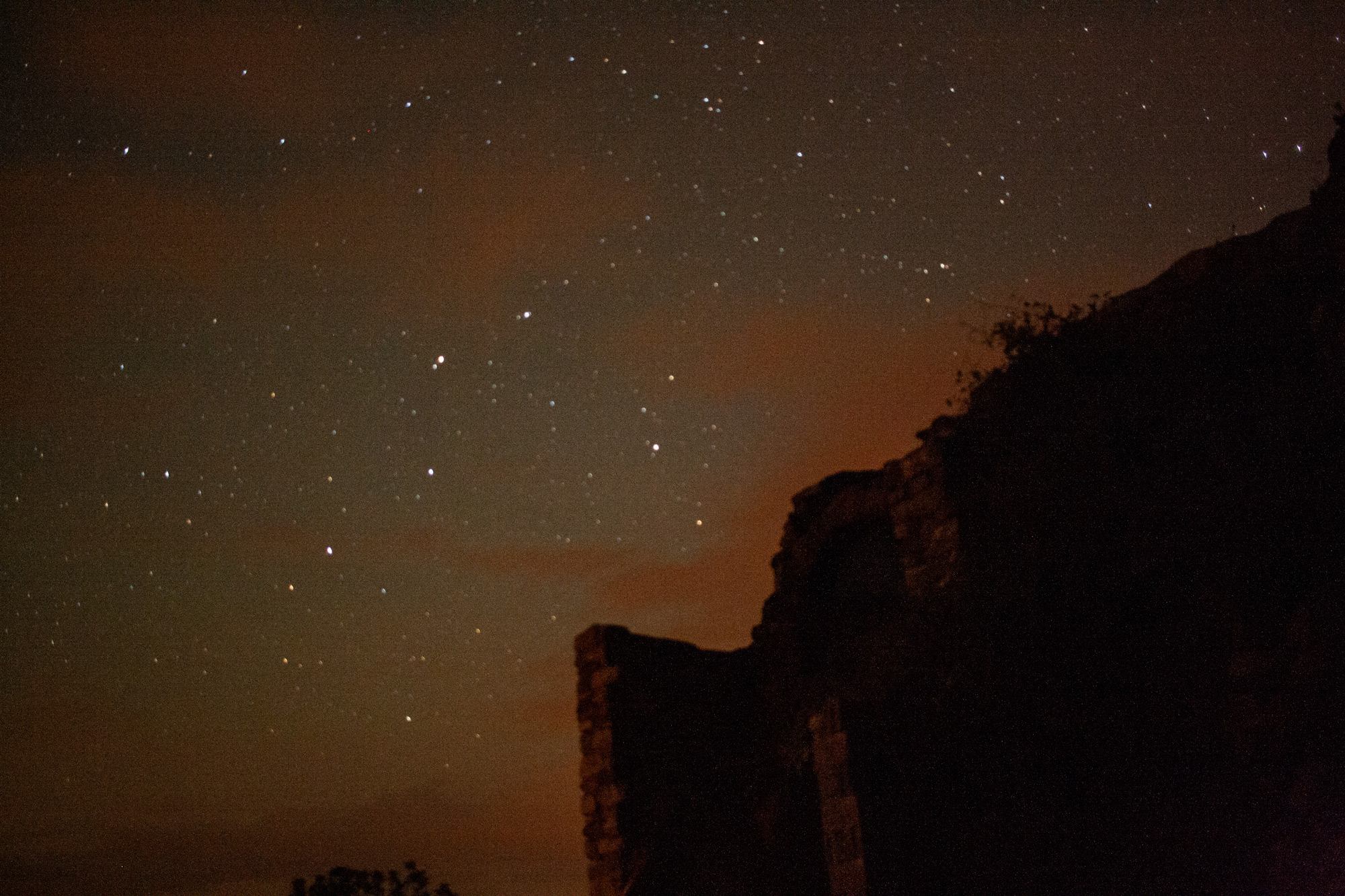
Lighting the void (Enllumenant el buit)
Lighting the void (Enllumenant el buit) is a research project on the history of the village of Envall in the Vall Fosca, depopulated in the 1960s and now undergoing repopulation. The research will culminate in an installation in the former Romanesque church of the village, converted into a public facility.
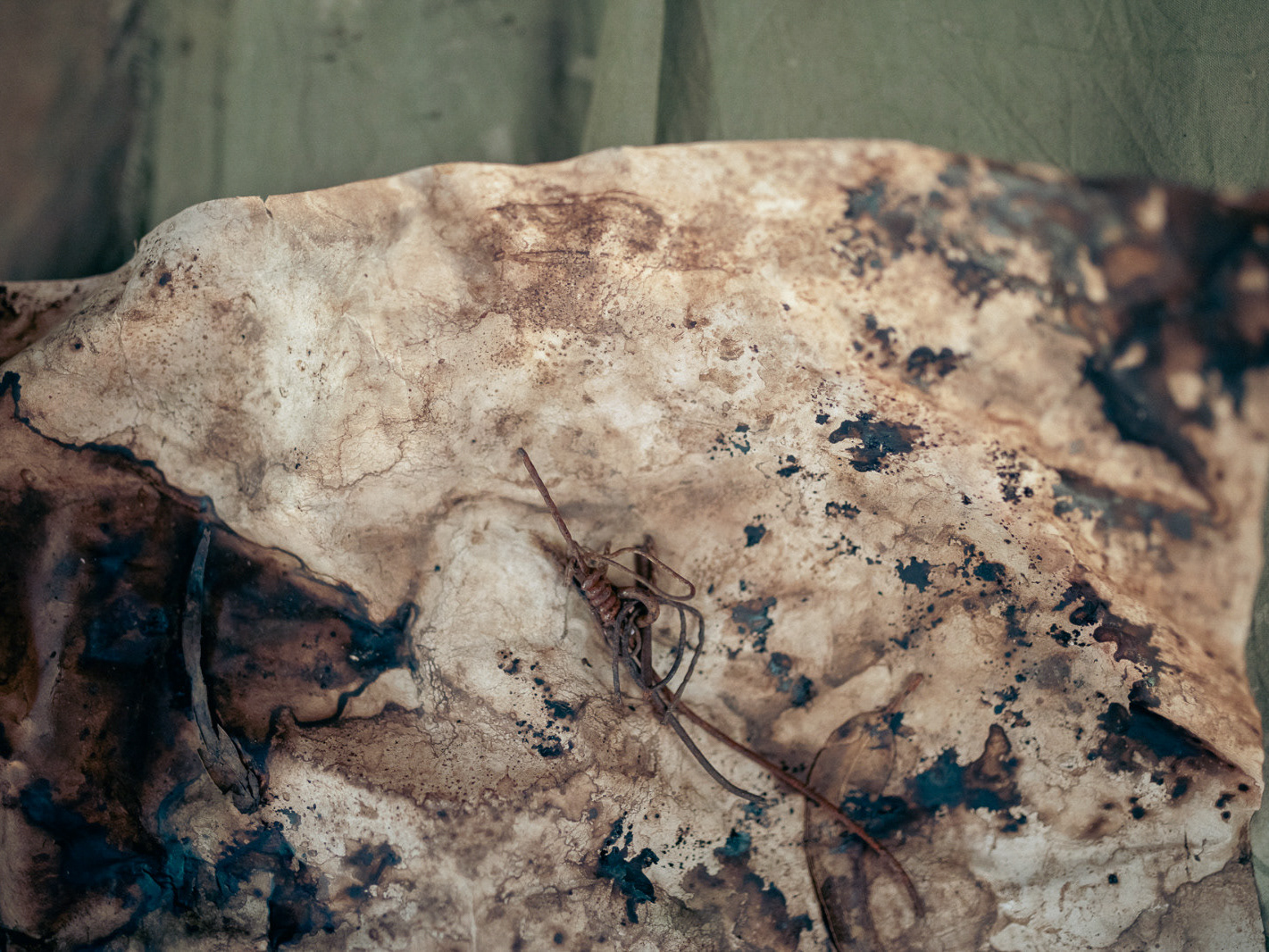
Transmutations
This project consists of a pictorial series and a site-specific installation in Garzón, where the landscape is transformed through water, time, and natural agents. Noris deconstructs territory and matter, balancing control and chance. Thirty square metres of painting and rural objects shape a space of experimentation in which human gesture, memory, and natural processes intertwine.
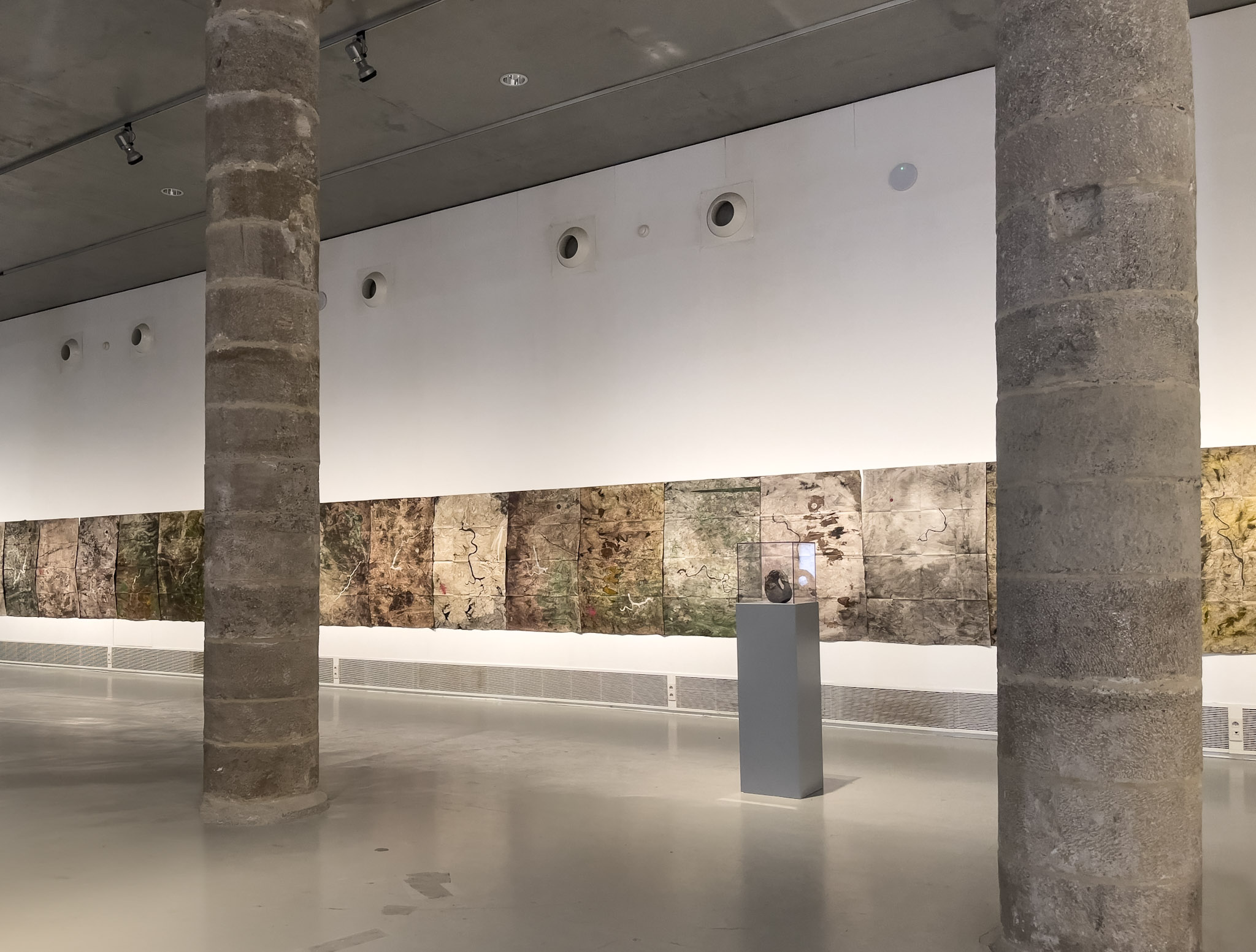
Sequere (La Entrega II)
It is an artistic project about time and memory that begins with a symbolic act: collecting water at the mouth of the Ebro and walking upstream to return it to the source of the Segre River, the main tributary of the Ebro. The artist’s gaze and their body moving through space and time become instruments to activate a poetic reading of the territory: experiences along the route and through the traversed space—with its geography, toponyms, cities, and mountains—serve as the trigger for an investigation into historical memory, human relations, and the territory.
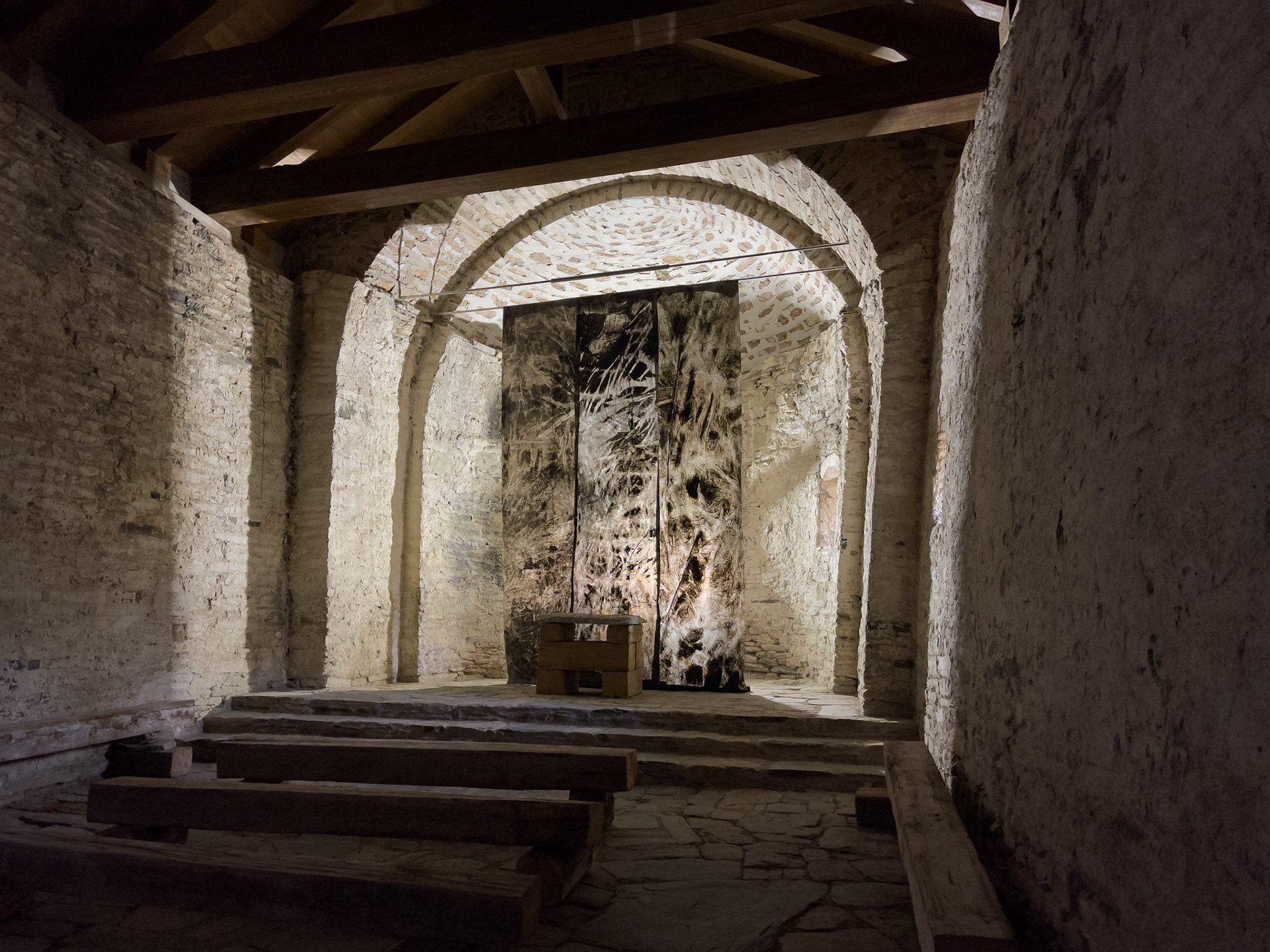
La Pell de la Terra
These abstract paintings, which evoke paths, earth, and stone, take shape as post-historical altarpieces that transform both ancient places of worship and contemporary exhibition spaces into contemplative environments dedicated to a sacredness that is both new and ancient—inclusive, universal, and non-denominational—placing the earth and the mountain at the center of the visitor’s inner experience.
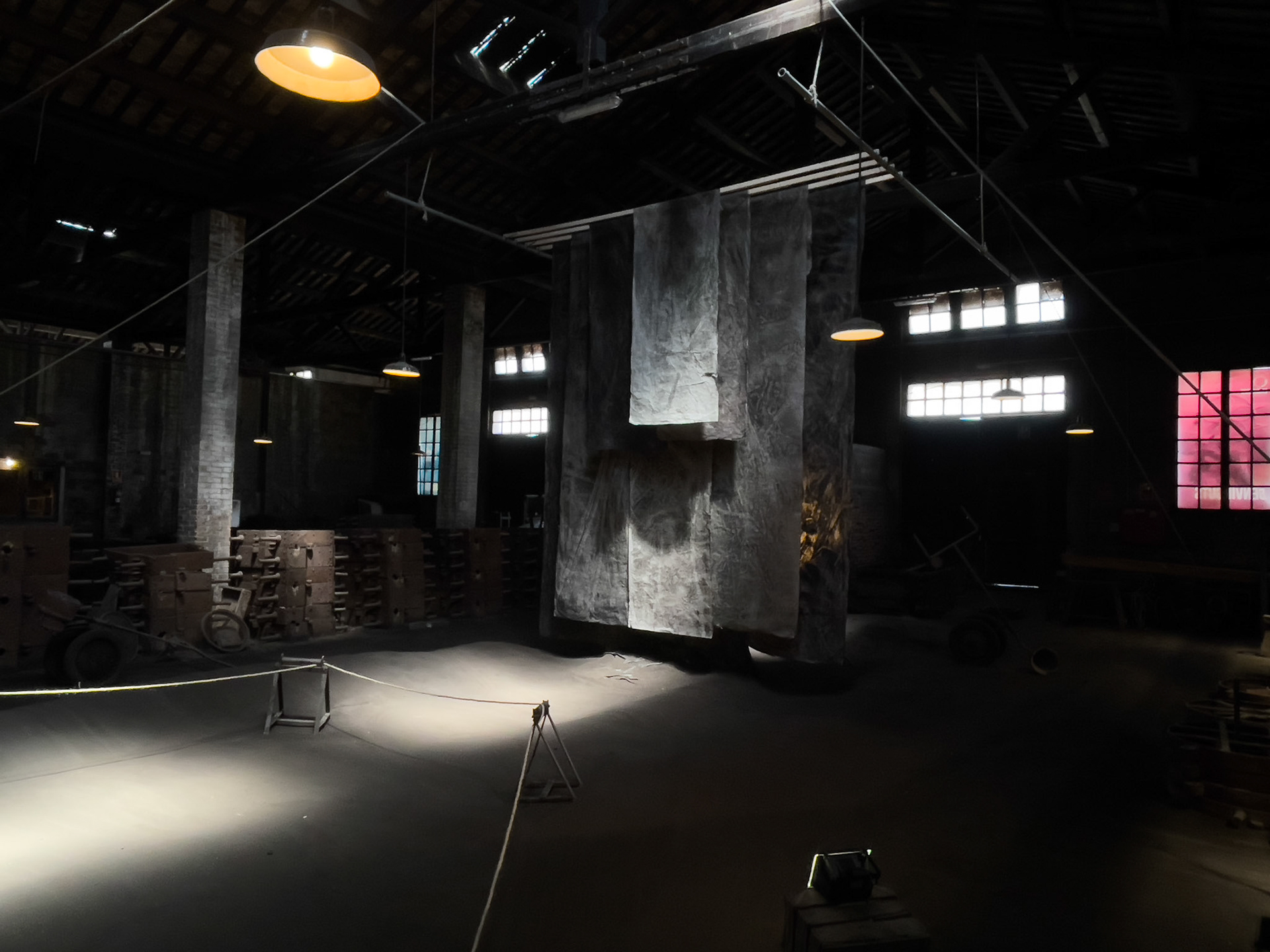
Within the Skin of the Earth
Dins La pell de la terra (entre cims i cavallons) —literally Within the skin of the earth (between peaks and furrows)— is an intervention by Marco Noris presented in halls 1–3 of the former Cal Trepat foundry in Tàrrega, on the occasion of the exhibition Un món fràgil (Embarrat, 2021).

Lloc, lluny, llar
Walking as an artistic practice, art as a cartography of existence. A research project based on the journey of the Grand Tour 2020, the sixth edition of the walk organized each year by Nau Côclea in Catalan territory.
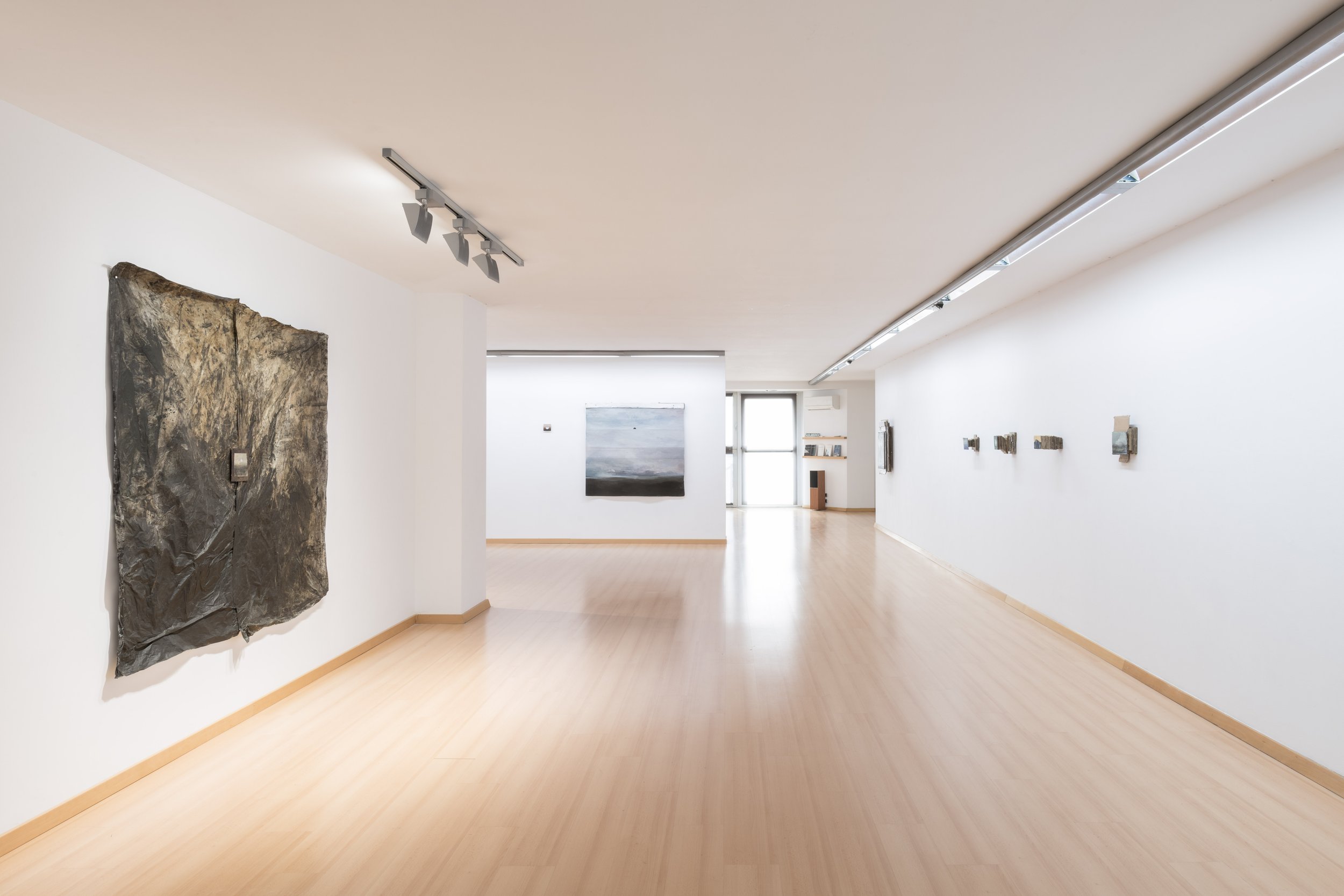
Nel lieve sovrapporsi di cielo e terra
“Nel lieve sovrapporsi di cielo e terra” is conceived as a layered territory: pigment glazes, papers, frayed canvases, cardboard and old woods that gently overlap to build a place where unity and fragment coexist. In that slight overlap, painting stops being surface and becomes a path: a tactile fiction fed by earth and air that brings closer what never quite touches, action and contemplation, sky and earth.
La Entrega - Act I
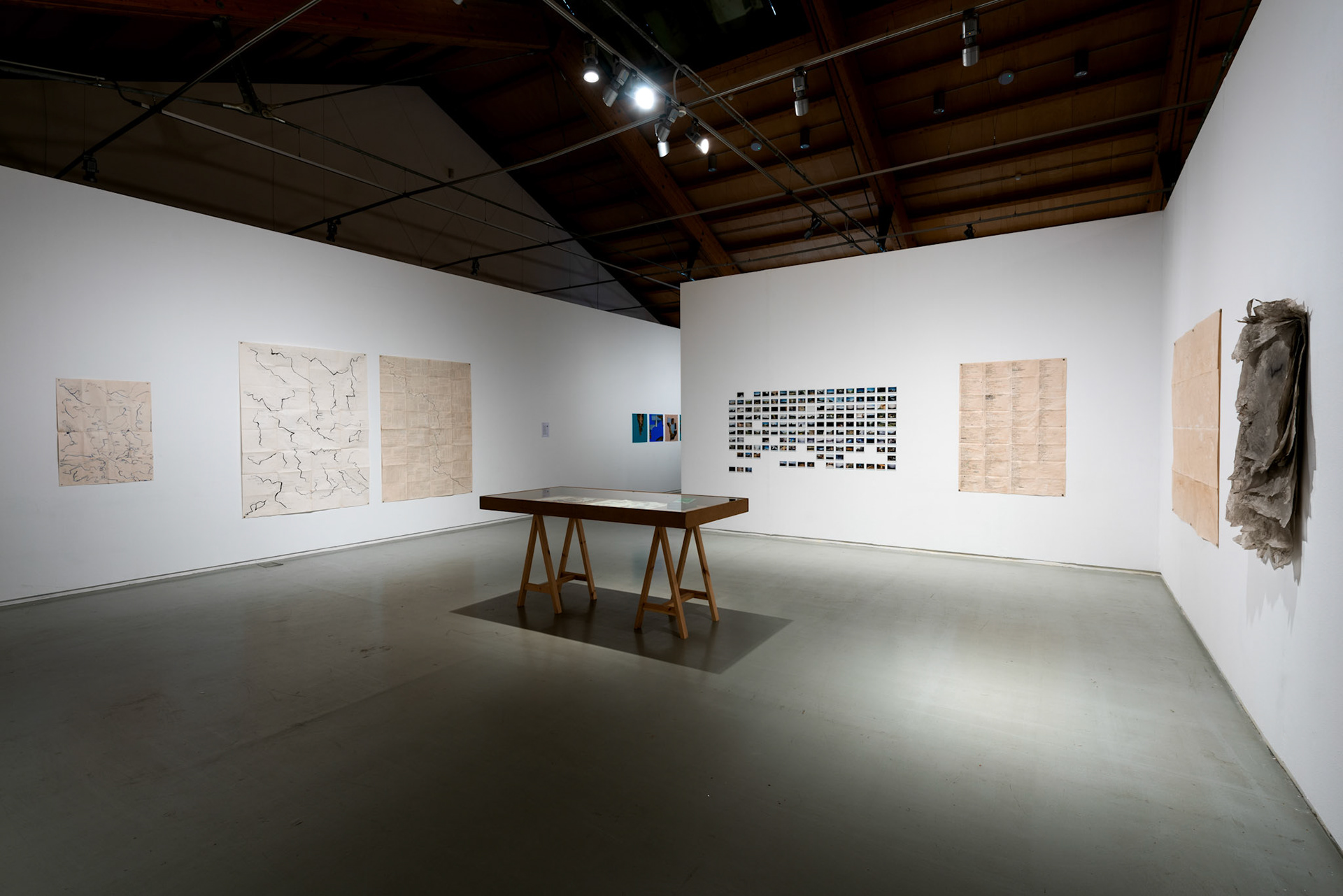
“La Entrega” is a project conceived as a set of actions—acts—where walking is the main motor. The title refers to the double meaning of the word: to give and to give oneself, an ambivalence common to artistic practice and walking. The first act of La Entrega was a 350-kilometre route, walking for 21 days from the artist’s studio in Barcelona to the Centre d’Art i Natura in Farrera, a small village in the Pyrenees.

On the Border
In the summer of 2017, Noris walked the 300 km of the Spanish–French border in the province of Girona, along routes that many Spanish Republican exiles once took. Along the way, the artist made a work corresponding to each of the 198 boundary stones that mark the line. Walking and painting, connecting points along the border—balancing on an invisible line that splits in two what is one—made the invisible visible and unfolded a new landscape of memory.
It wasn't the sun
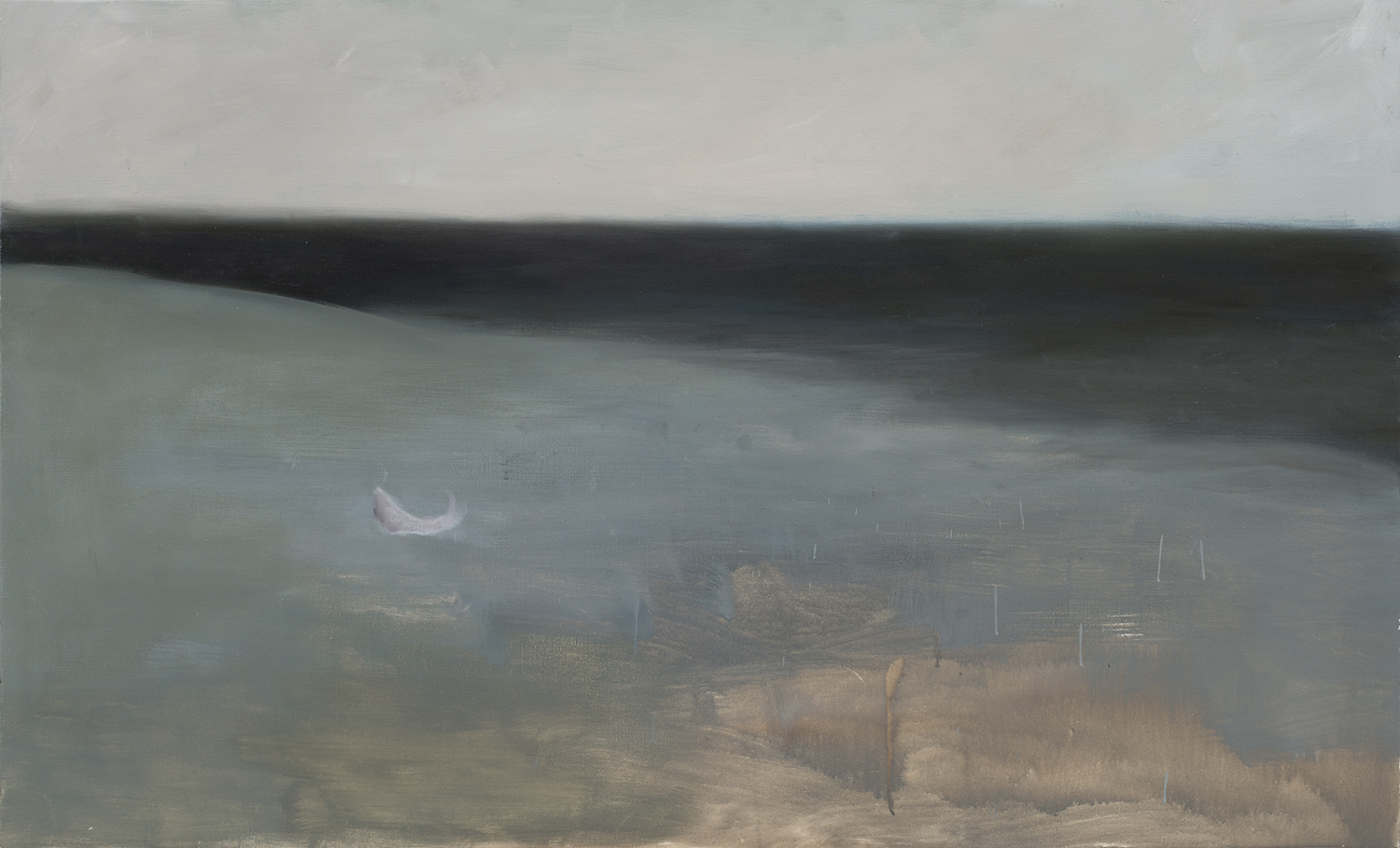
Solo exhibition by Marco Noris at Galería Trama (Sala Parés), Barcelona, Spain, 2017. Curated by Frederic Montornés.
Paratext #7
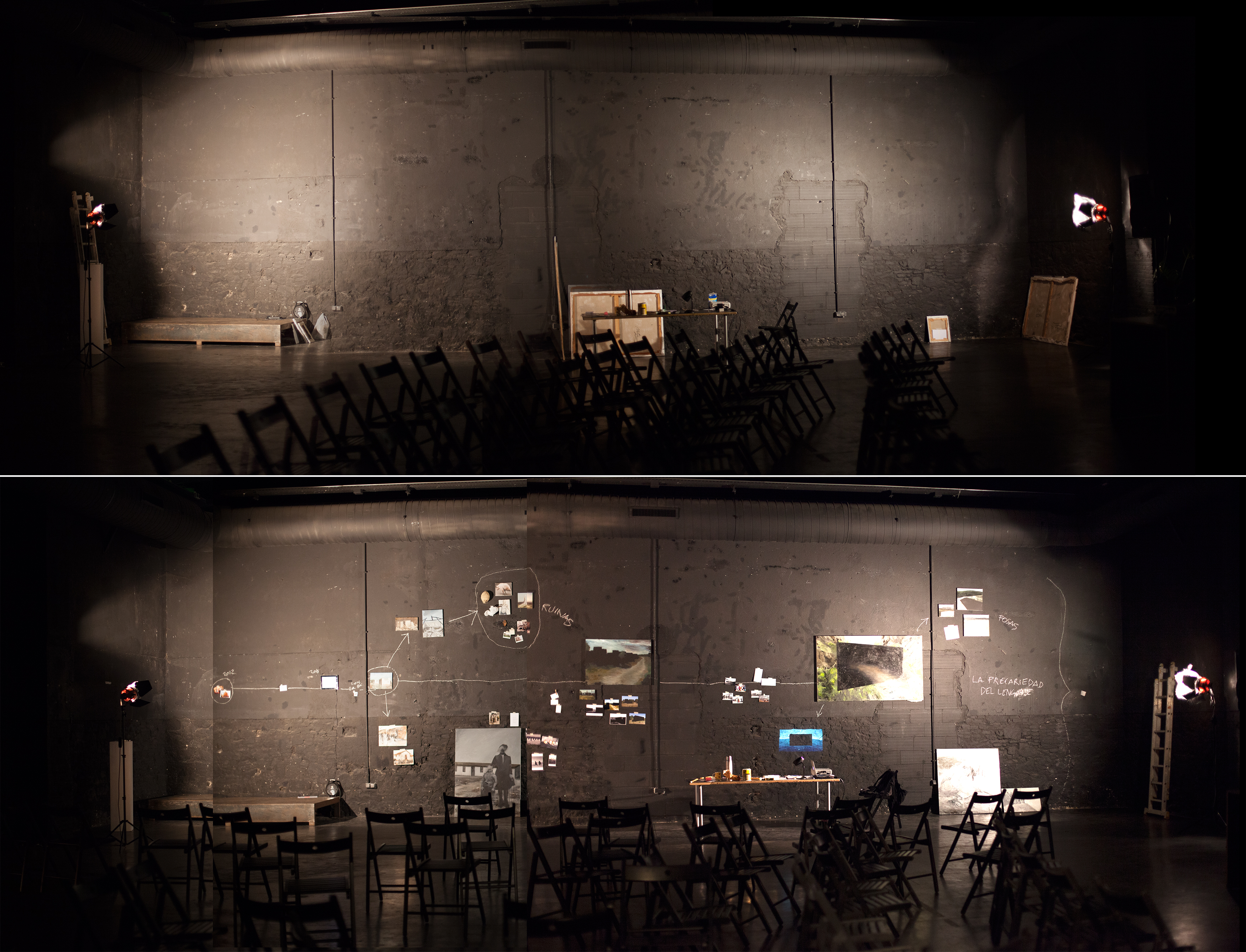
In November 2015, at Hangar Barcelona, Marco Noris presented a performative action linked to his painting project in progress, centred on the notions of exile, uprooting, historical memory and contemporary migration policies. During the presentation he constructed a live mind map on the wall, articulated through videos, photographs, objects, paintings and texts, connected by arrows and annotations, thus translating a hypertextual organisation system into physical space. The action, lasting about 40 minutes, was received very positively and culminated in the exhibition of a 15-metre-long mural composed of 52 pieces.
The Triumph of Defeat
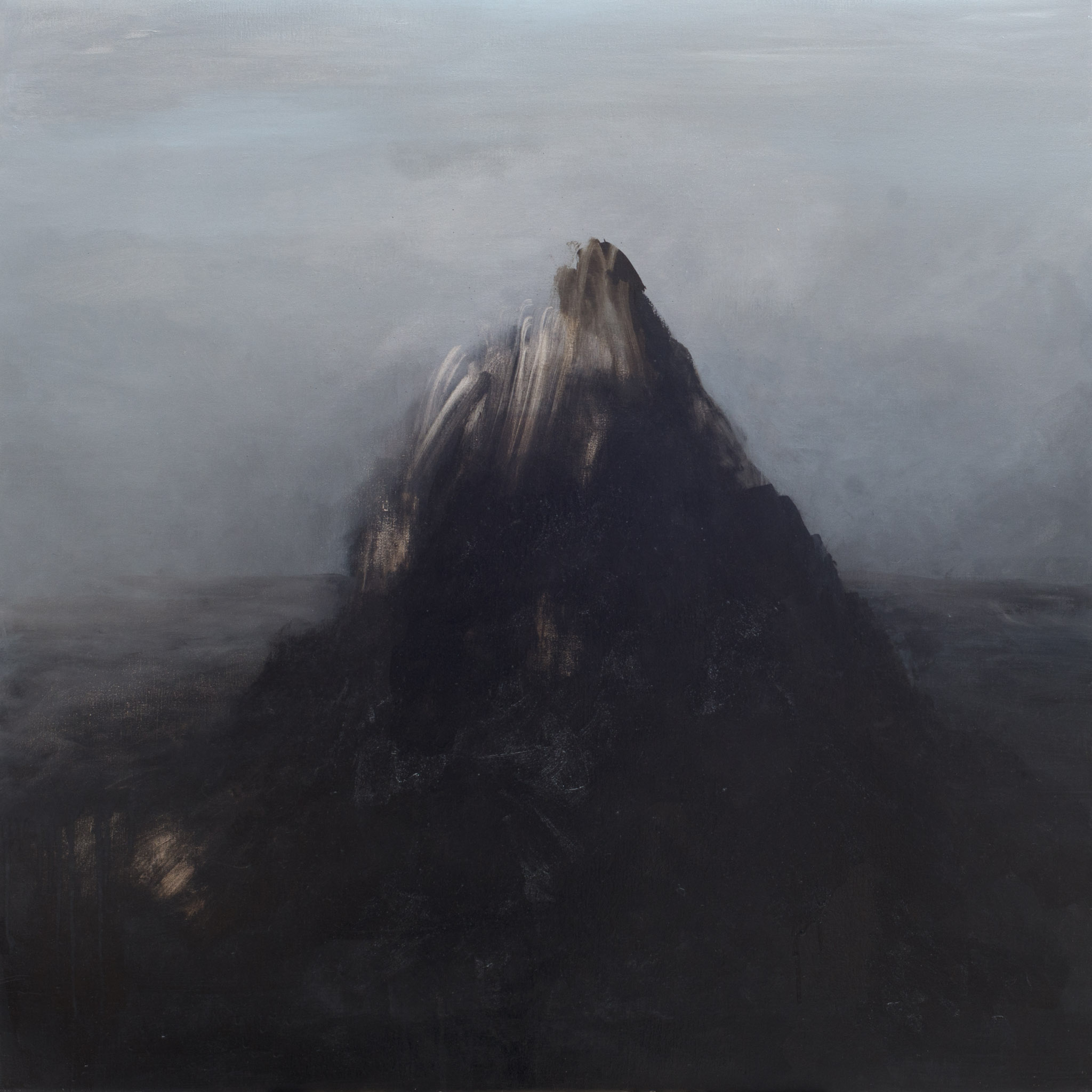
Through images of material and moral ruin—remains, bodies, waste, scenes of exclusion and collapse—the project "The Triumph of Defeat" composes a visual archive of the breakdown of modern values. Ruin appears not as an end, but as a means to think about historical, political and intimate defeat, and the possible dissolution of the ego. In an overlap of times—past, present and ruined futures—the project places the viewer before their own mortality and the impossibility of remaining indifferent to catastrophe.
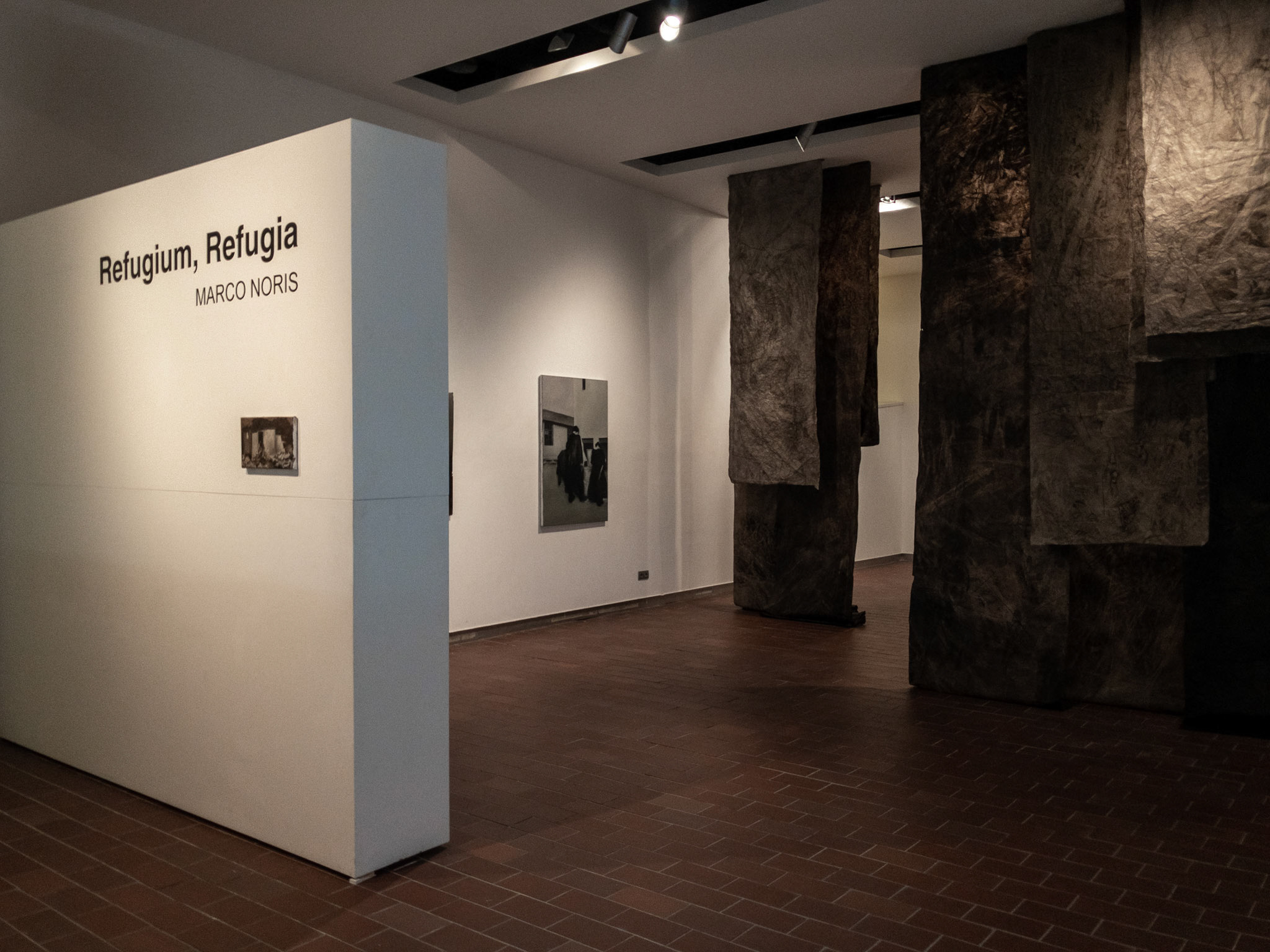
Refugium, refugia
This project takes the former internment camp of Rivesaltes as a starting point to address the historical memory of the Spanish Republican exile. From the site’s ruins, it traces the architectural and human footprints that shape a collective emotional memory where past and present interlock.
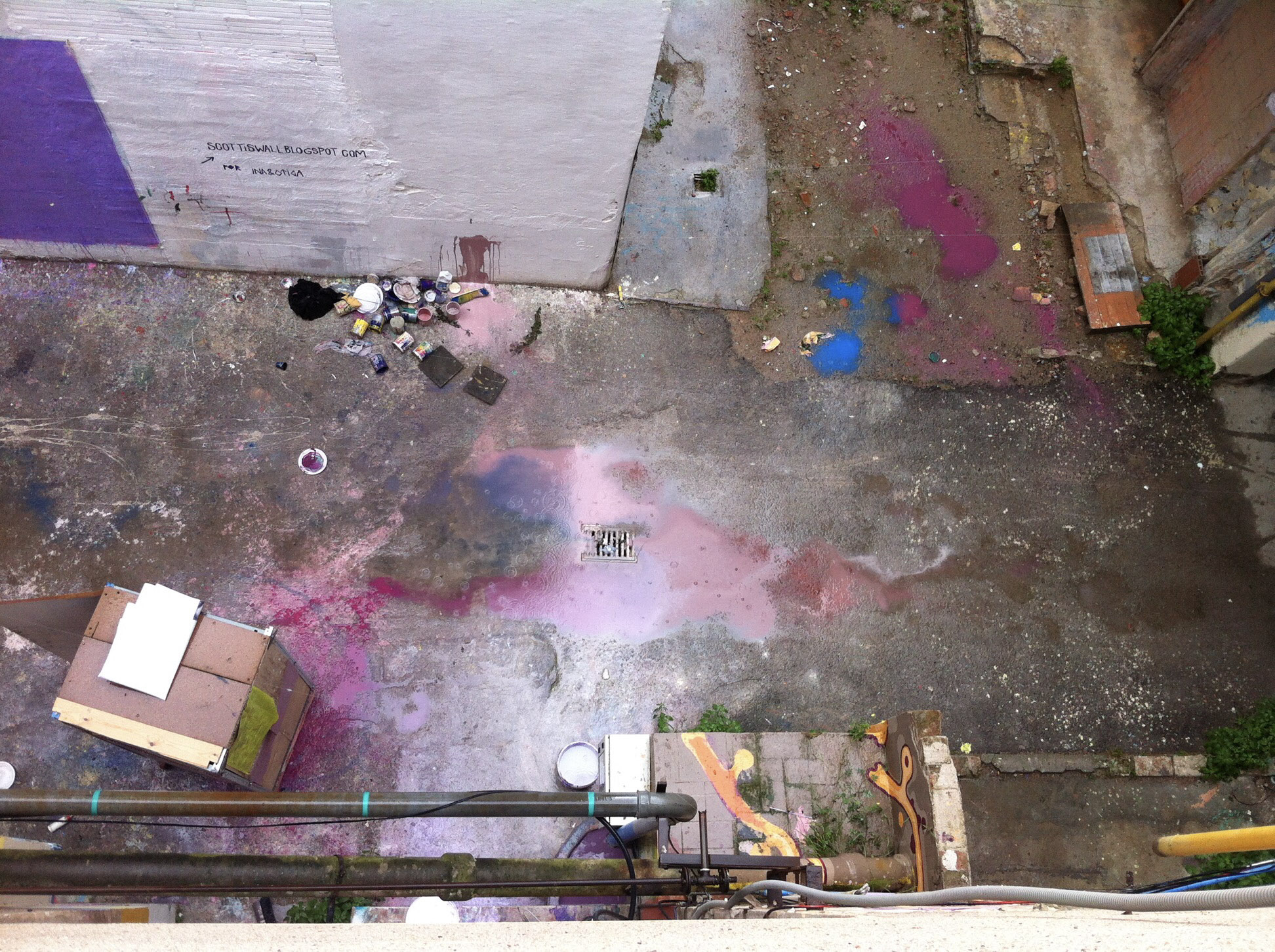
Ephemeral Informalism
"This indiscreet picture of the neighbors’ daily activities gives an example of the importance of subjectivity when introducing changes as far as the perception of the commonplace is concerned. His ephemeral informalism (…) form a representation of the poetic power of painting to refer to complex issues such as how the individual fits into the social body.“ (Amanda Cuesta)"
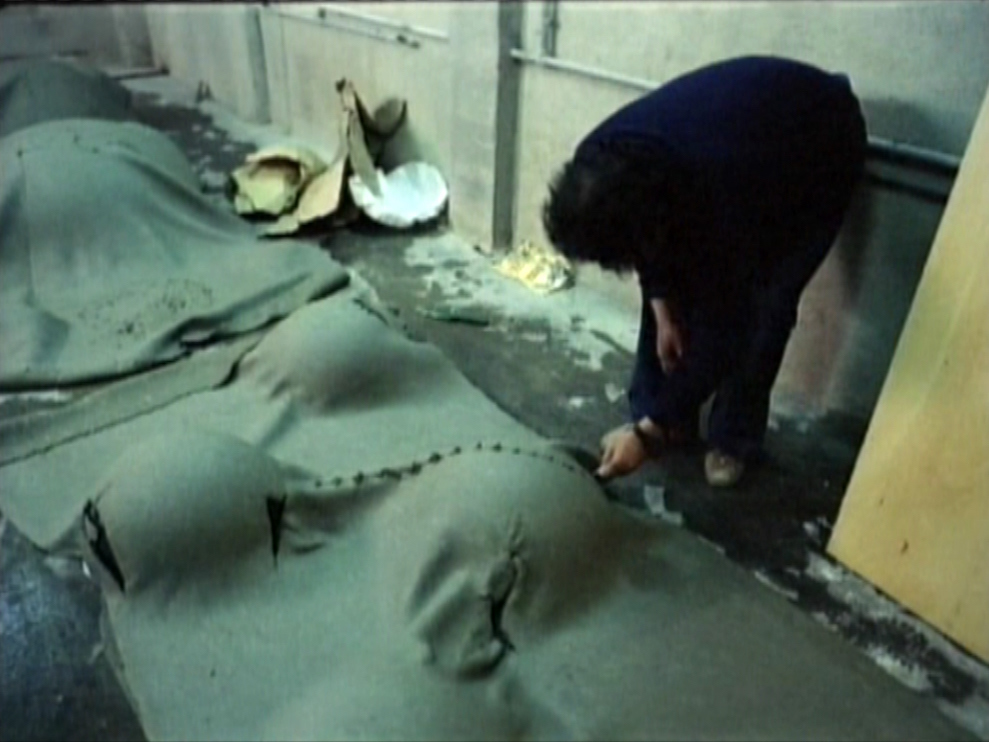
Guinovart, a fragment
This documentary portrays the process of creating one of Guinovart's large-format abstract works and shows the artist working with fibrocement sheets. The material was filmed in 1978 by Lluís Montagut and Jose Civit and recovered in 2009.
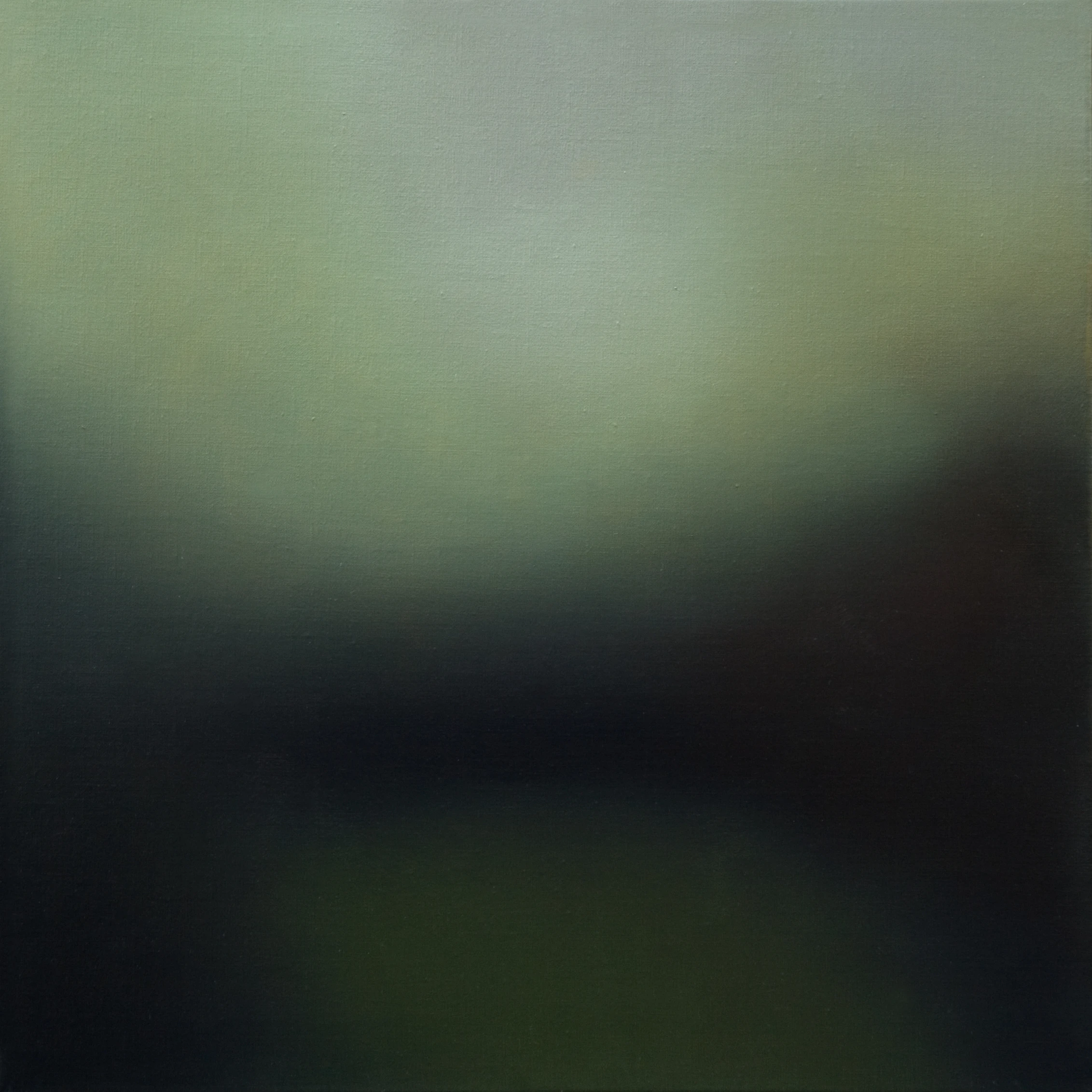
Remote locations
Remote places are both nearby and very far away. Proximity is provided by desire; distance is imposed by the difficulty—or impossibility—of fulfilling or encountering that desire. Remote places are mental places built by intuition and by the idea that there are spaces, far from everyday space, where one can realize the wholeness of the person or dwell according to the idea each individual has constructed of existence, or the place where the possibility of another existence appears.