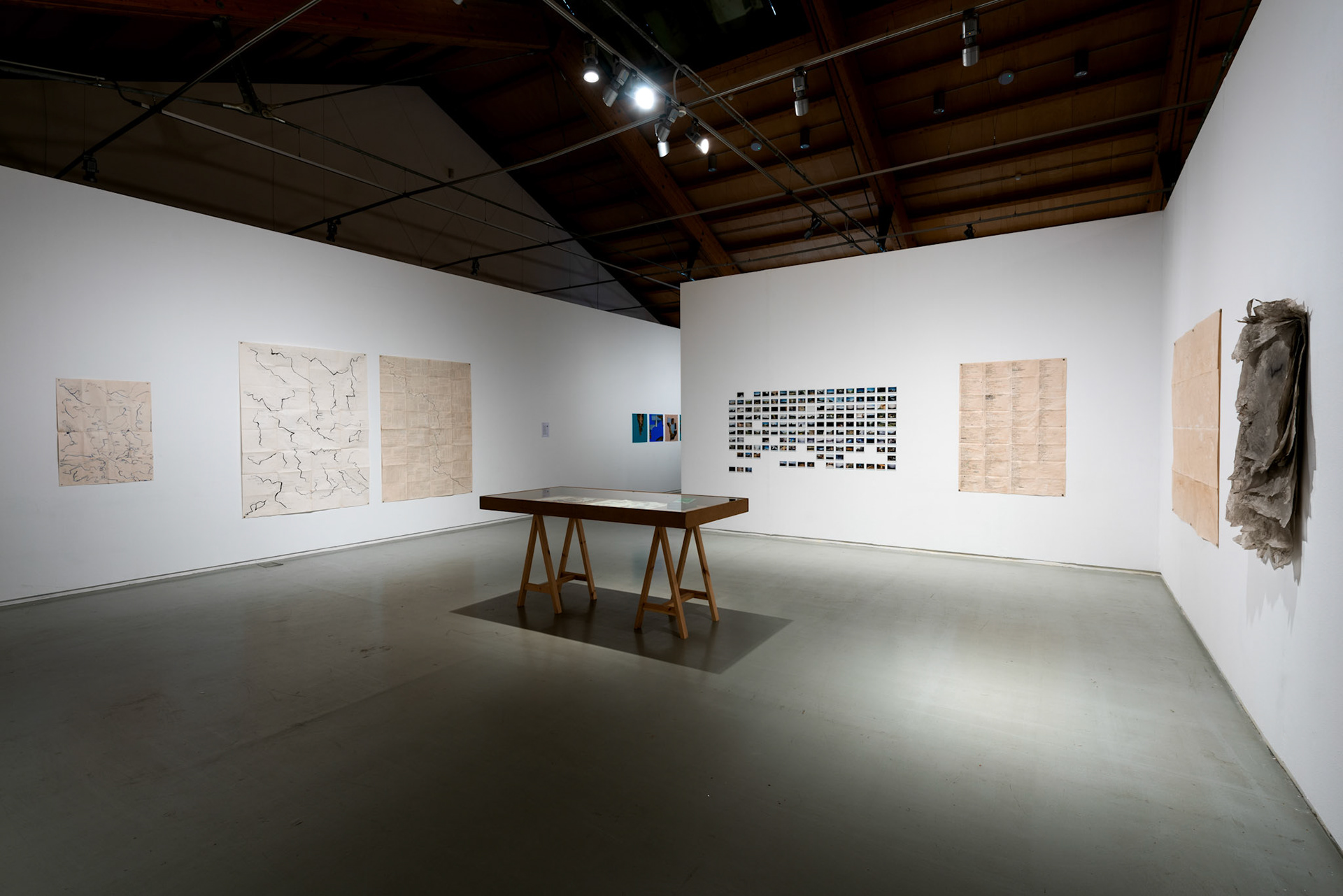
La Entrega - Act I
2018/2019
“La Entrega” is a project conceived as a set of actions—acts—where walking is the main motor. The title refers to the double meaning of the word: to give and to give oneself, an ambivalence common to artistic practice and walking. The first act of La Entrega was a 350-kilometre route, walking for 21 days from the artist’s studio in Barcelona to the Centre d’Art i Natura in Farrera, a small village in the Pyrenees.
An artistic research into territory and landscape, travel and cartography. Project carried out in collaboration with La Panera (Lleida, Spain) and the Centre d’Art i Natura de Farrera.
Series
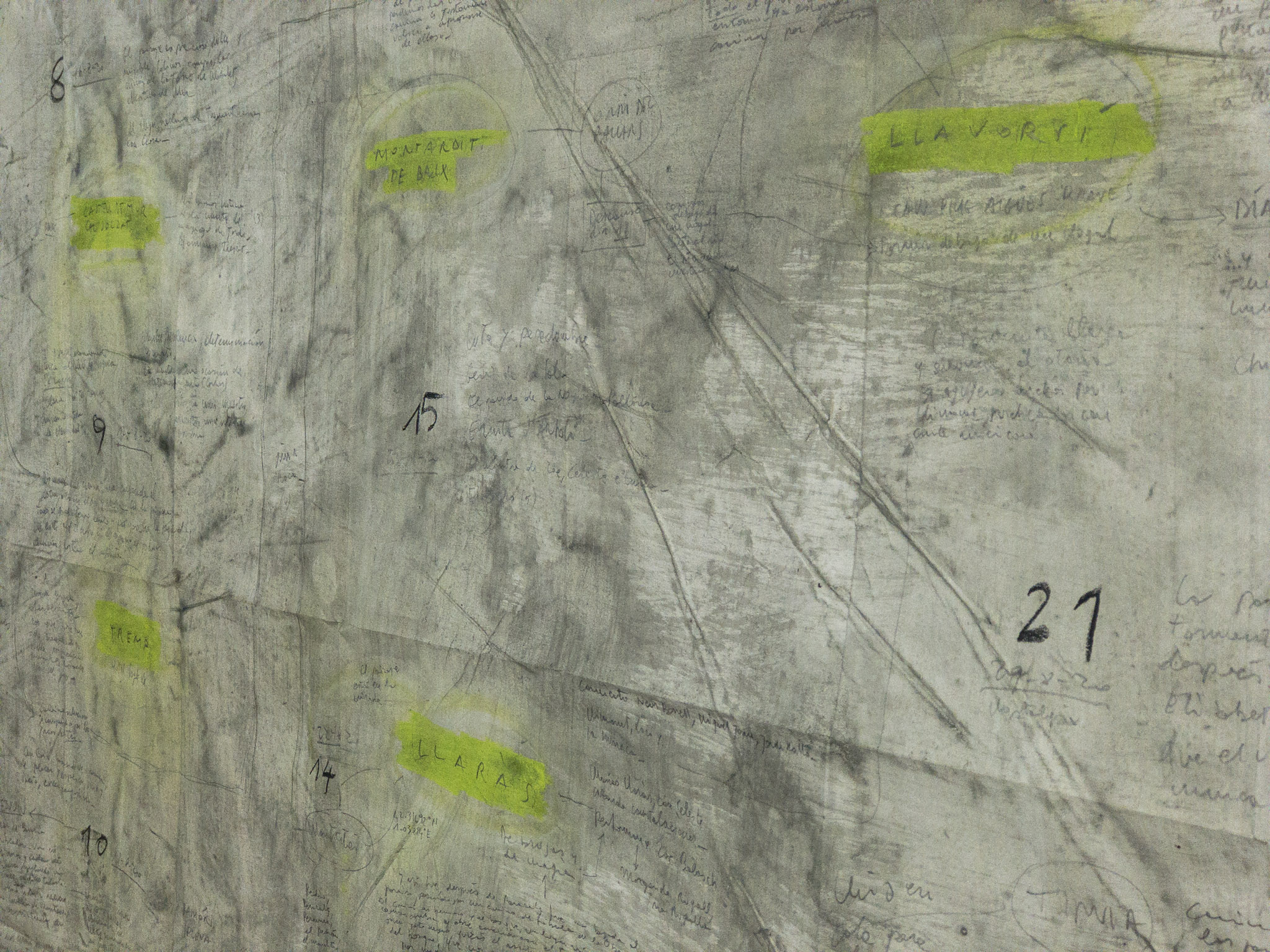

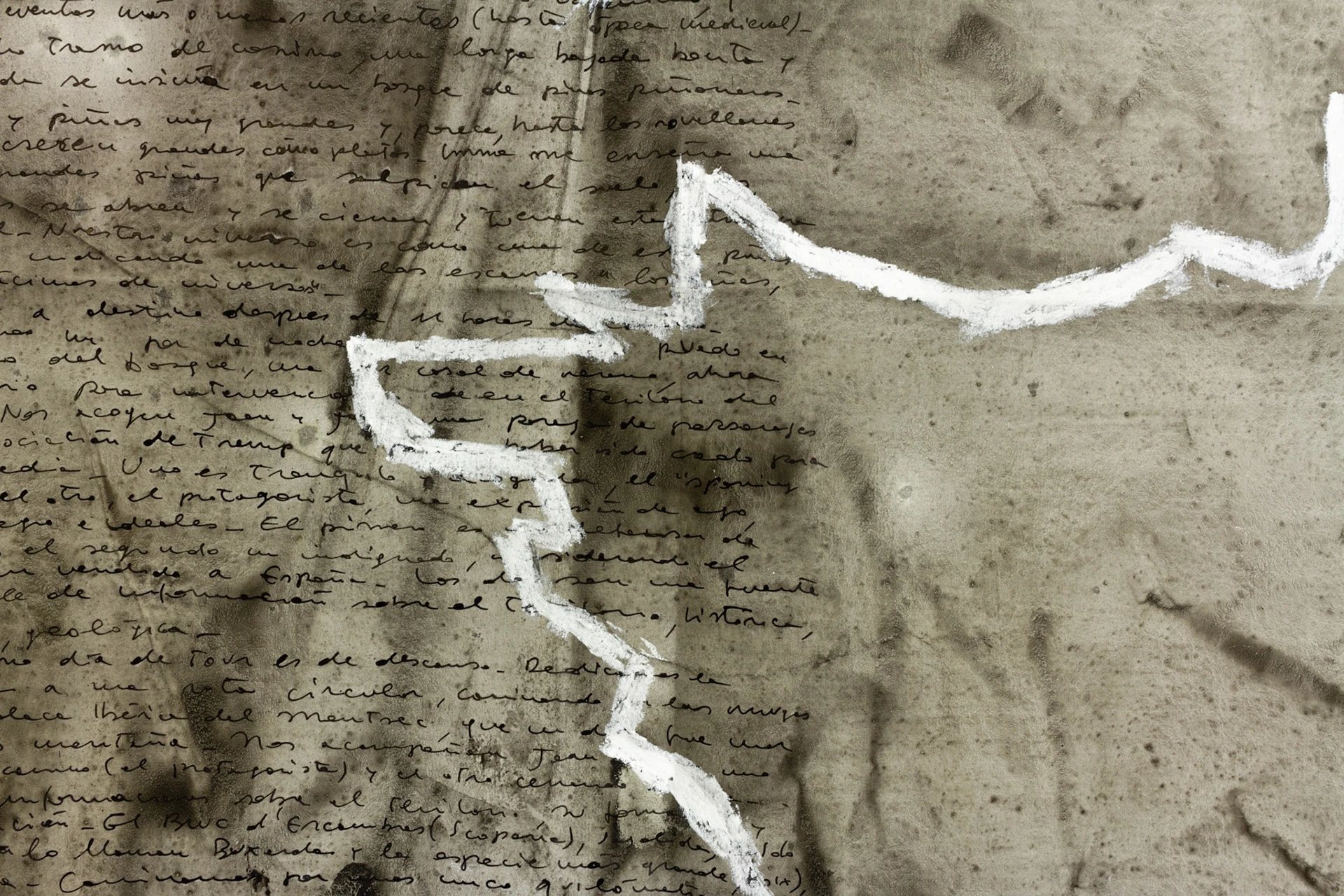
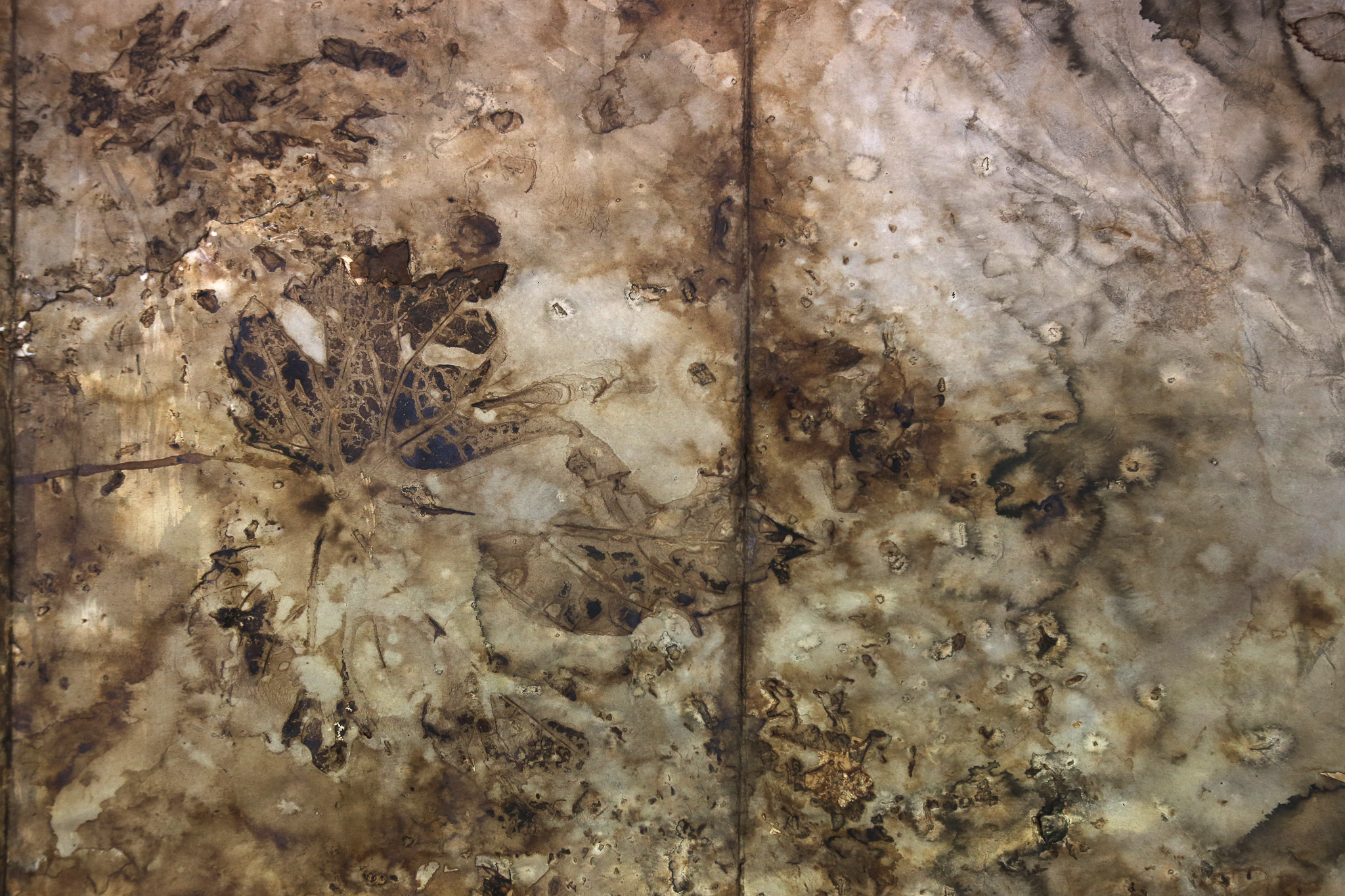
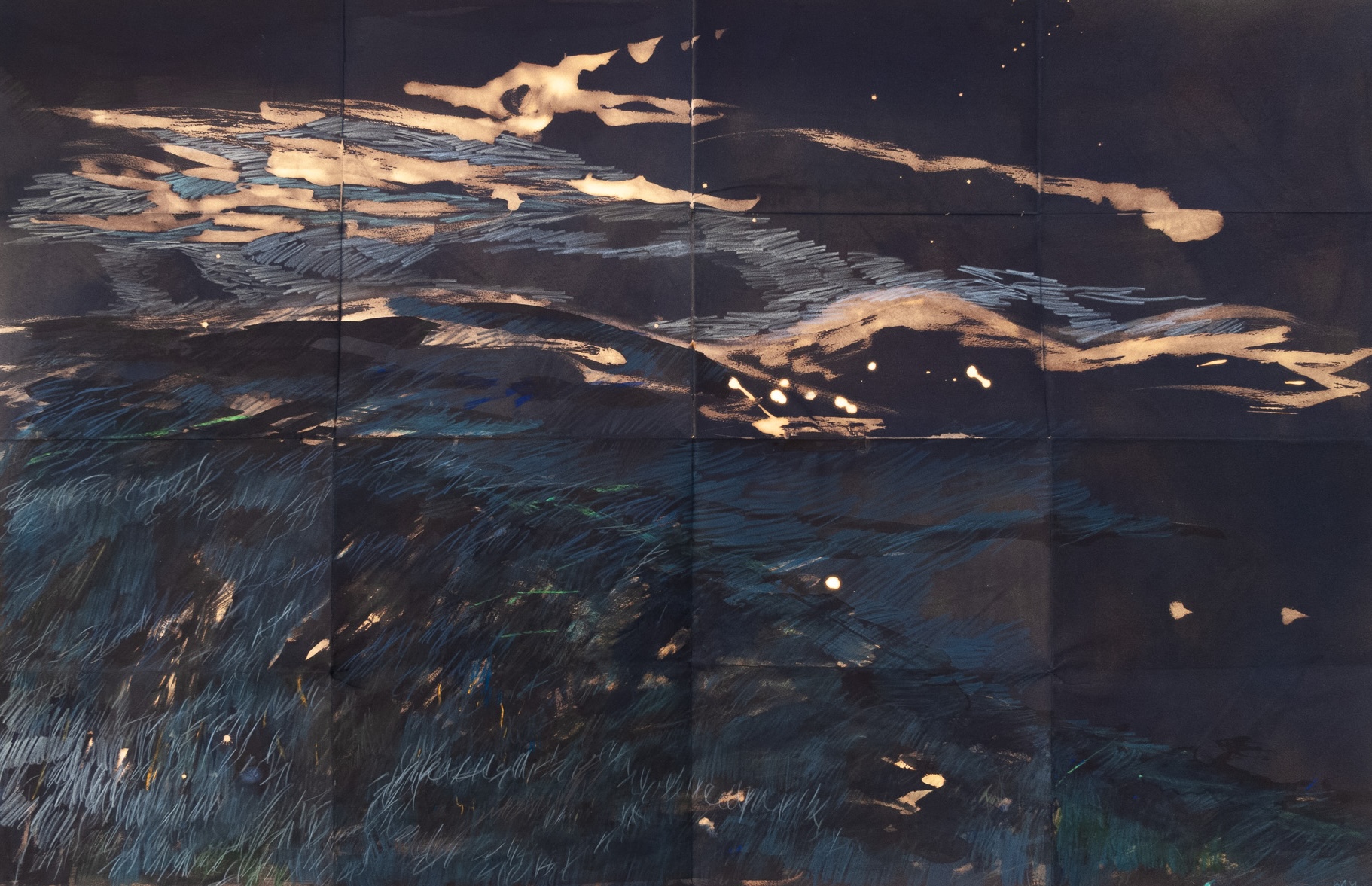

Texts and paratexts (3)
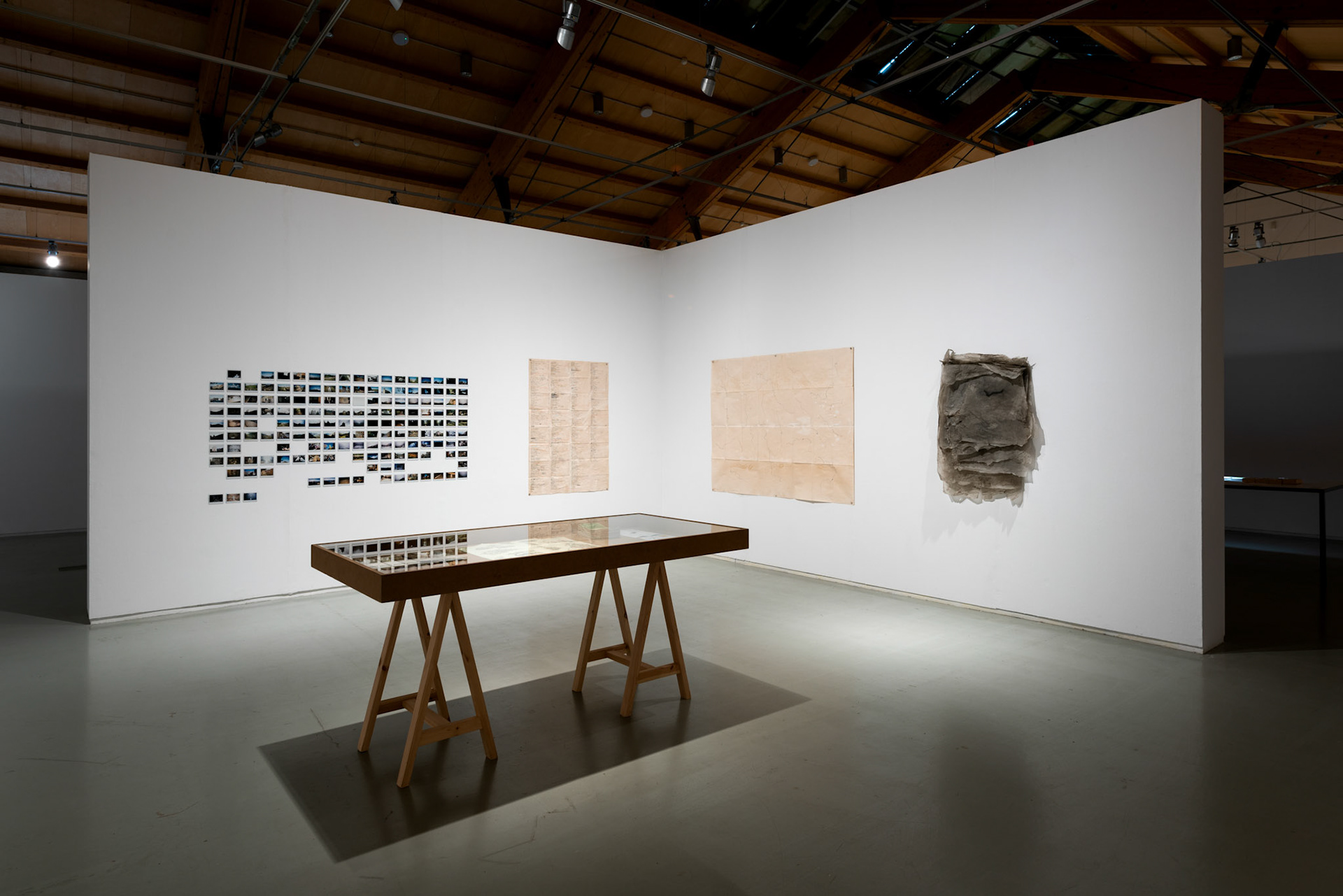
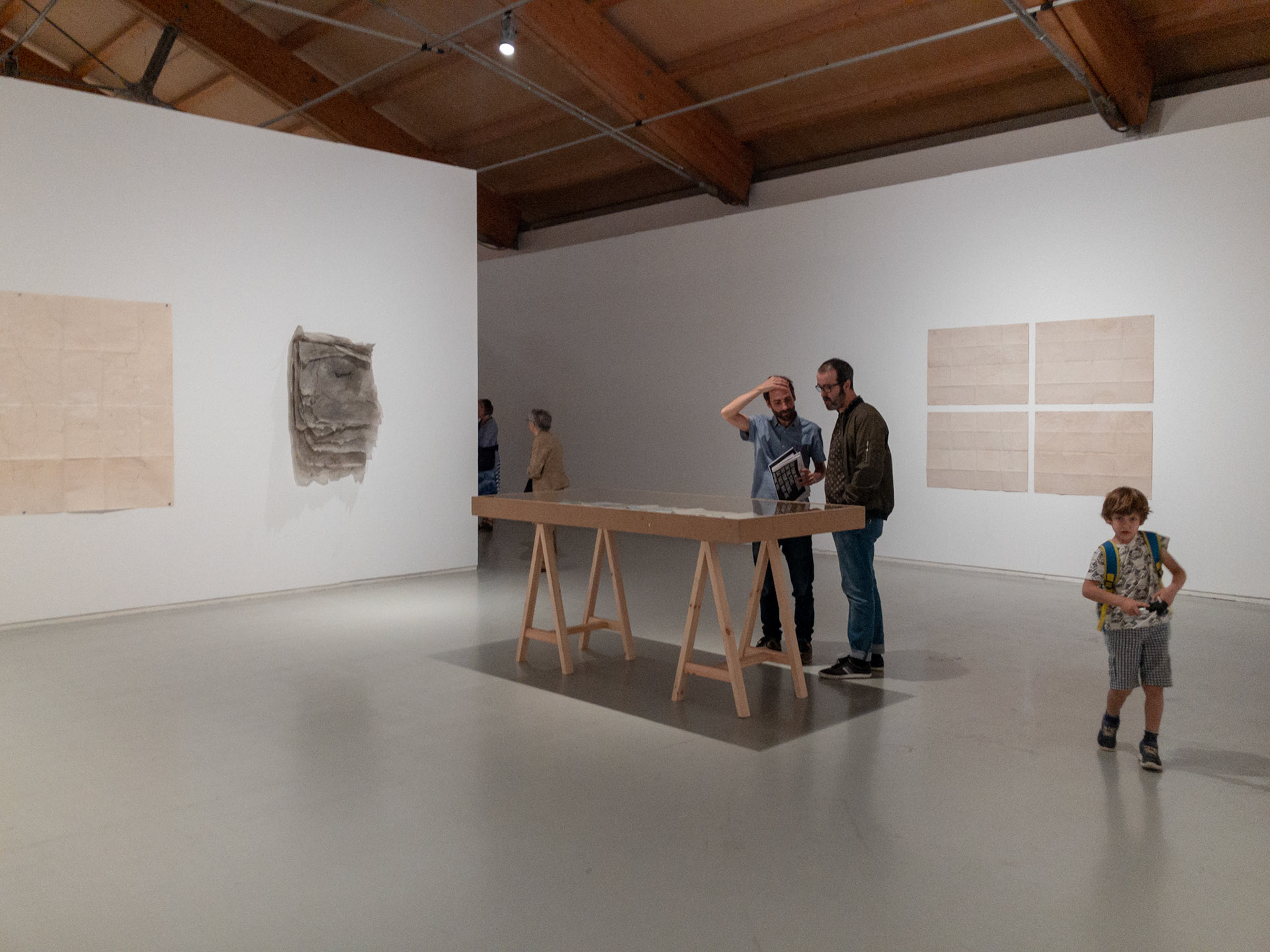
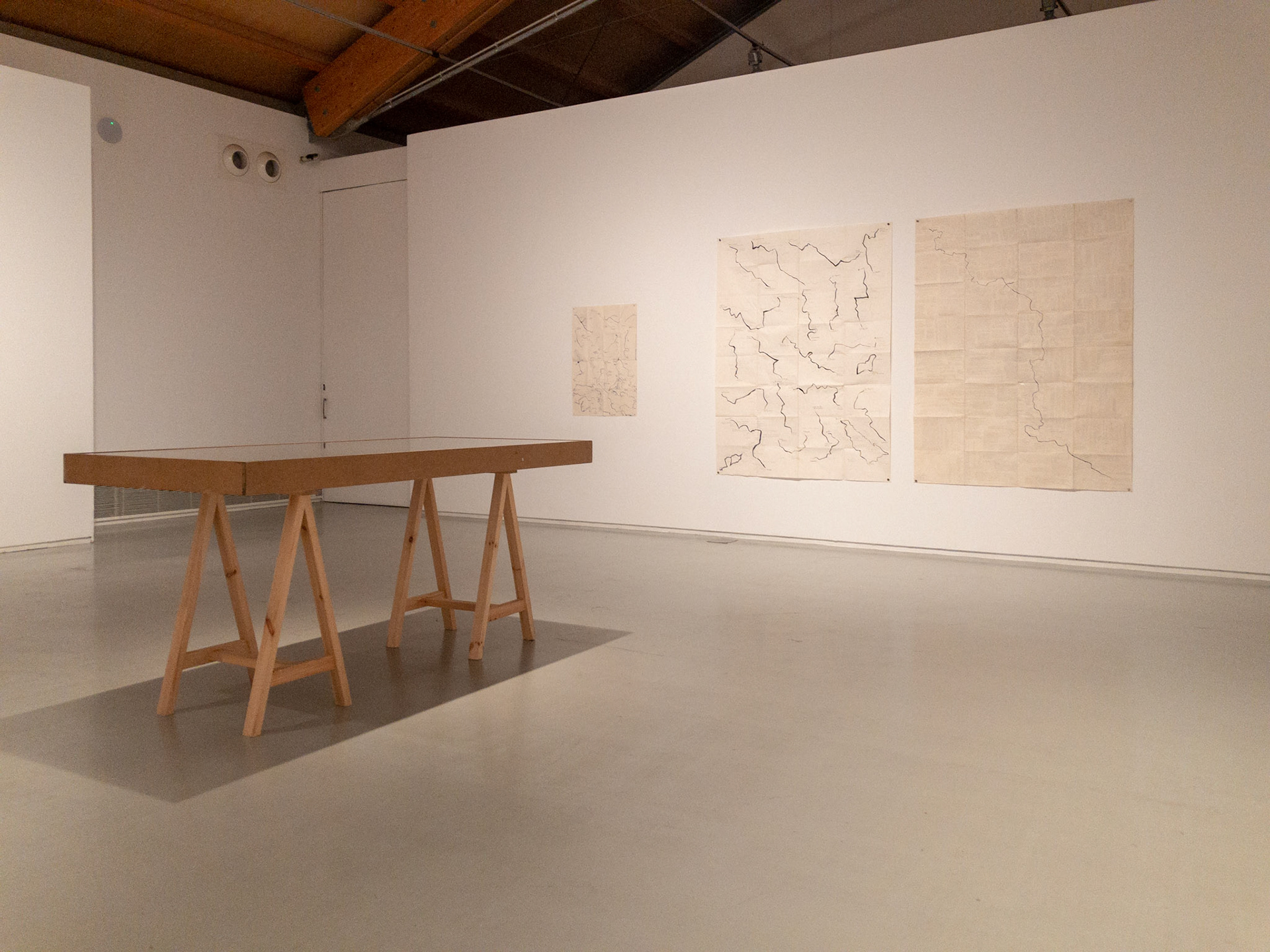
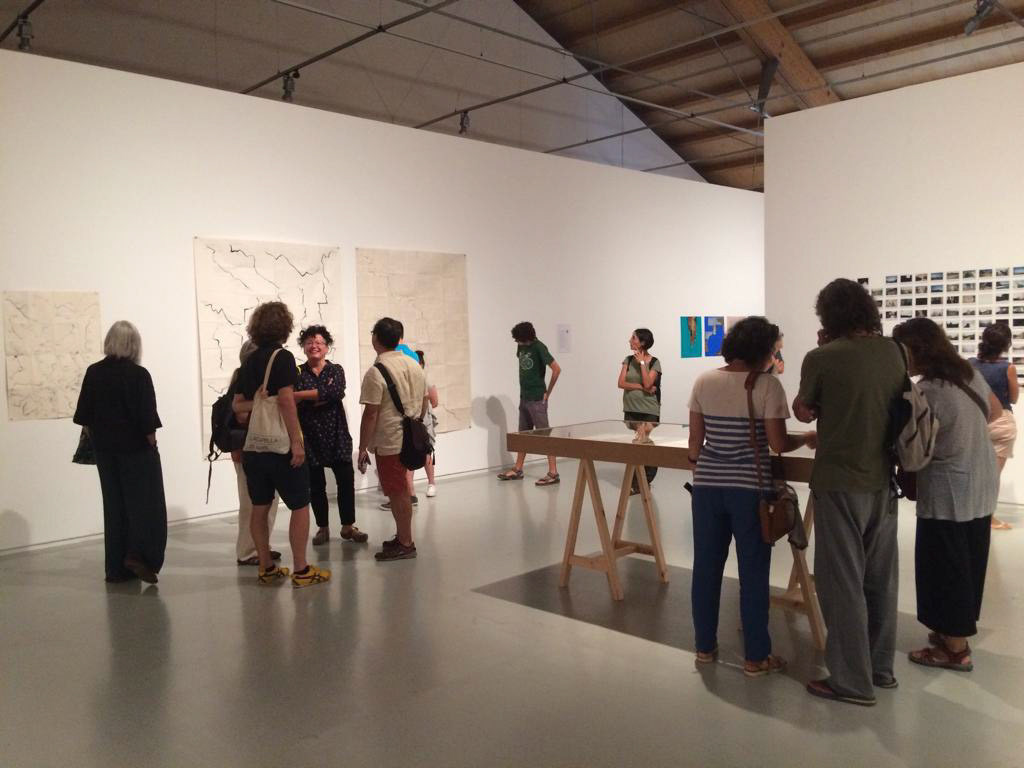
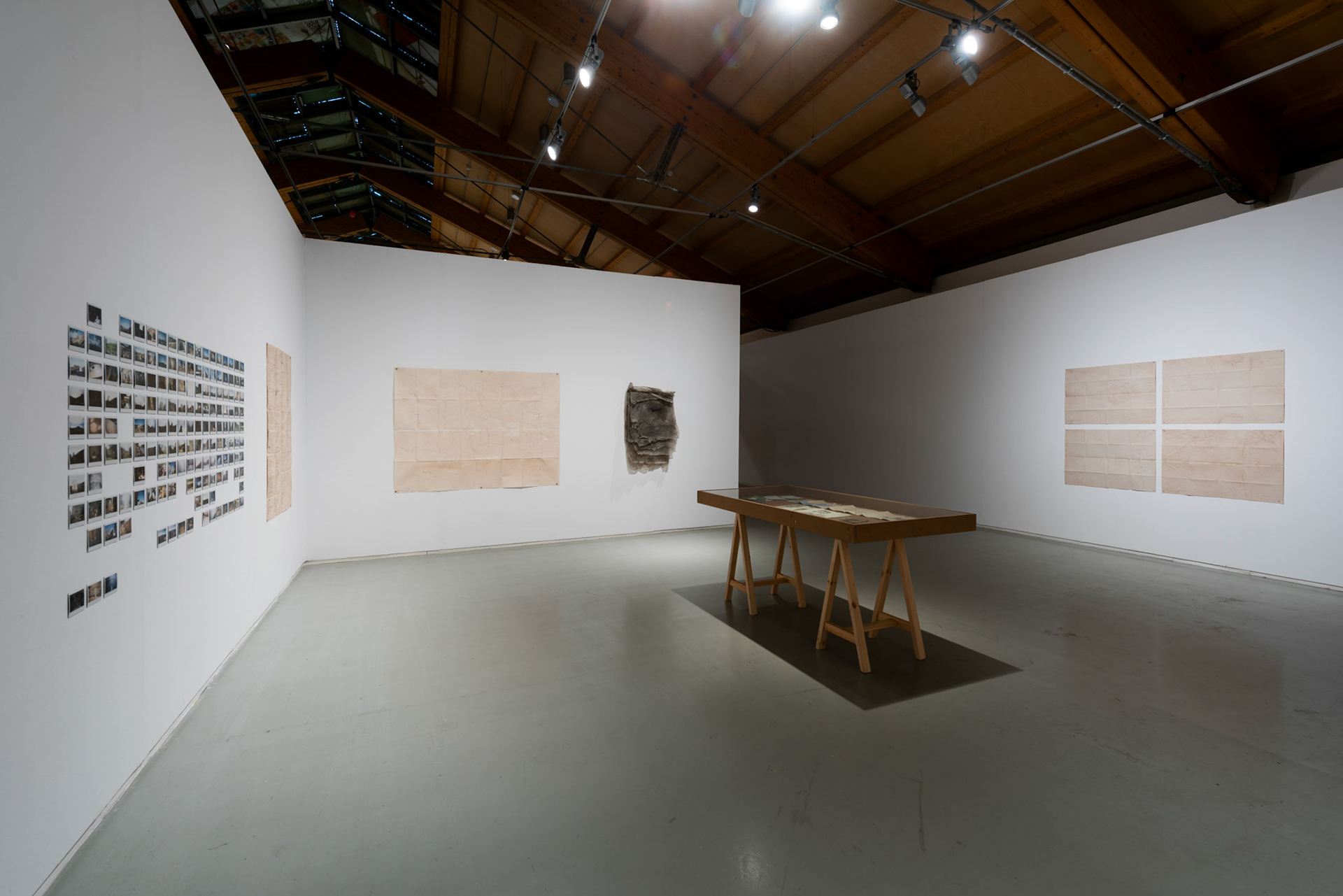
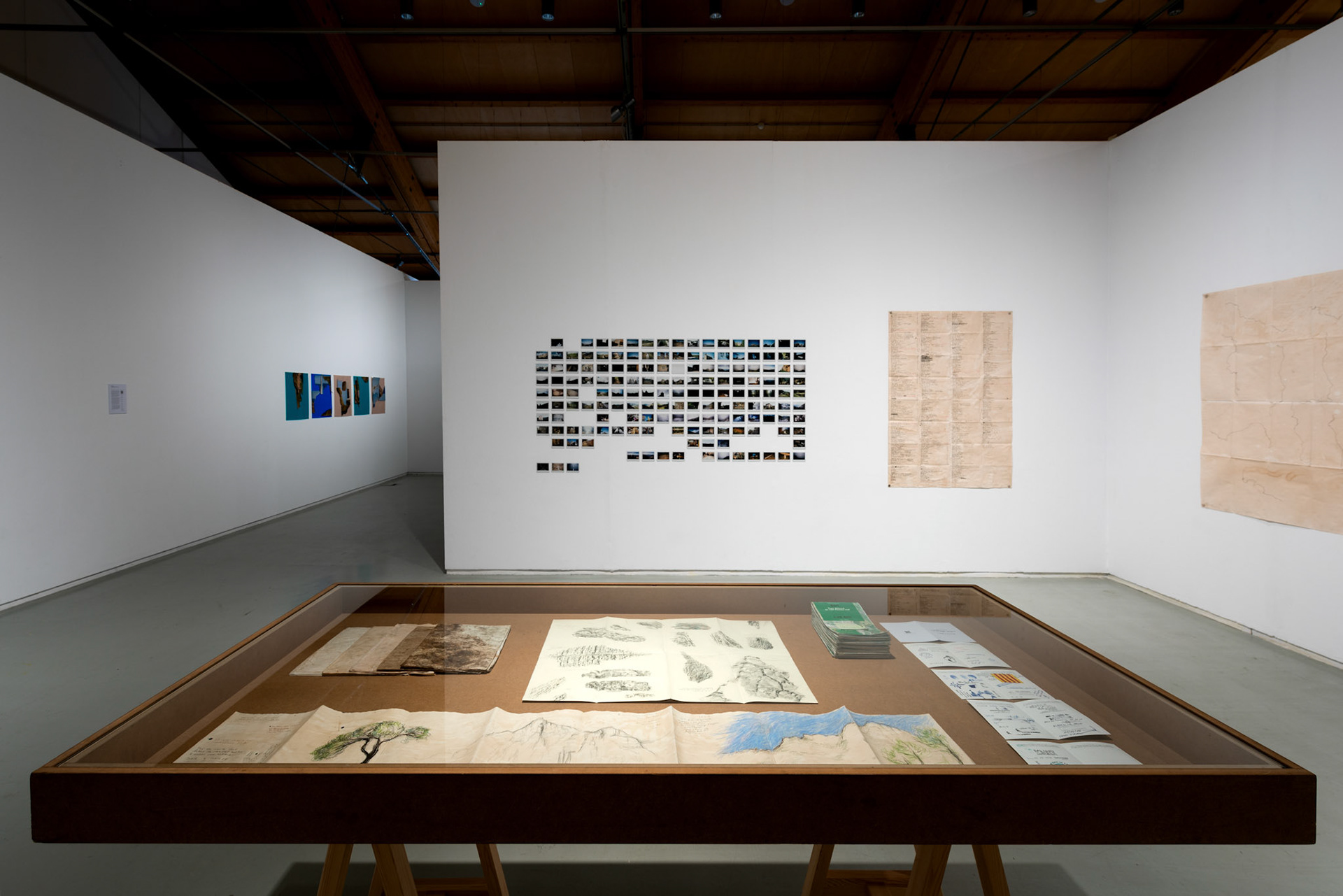
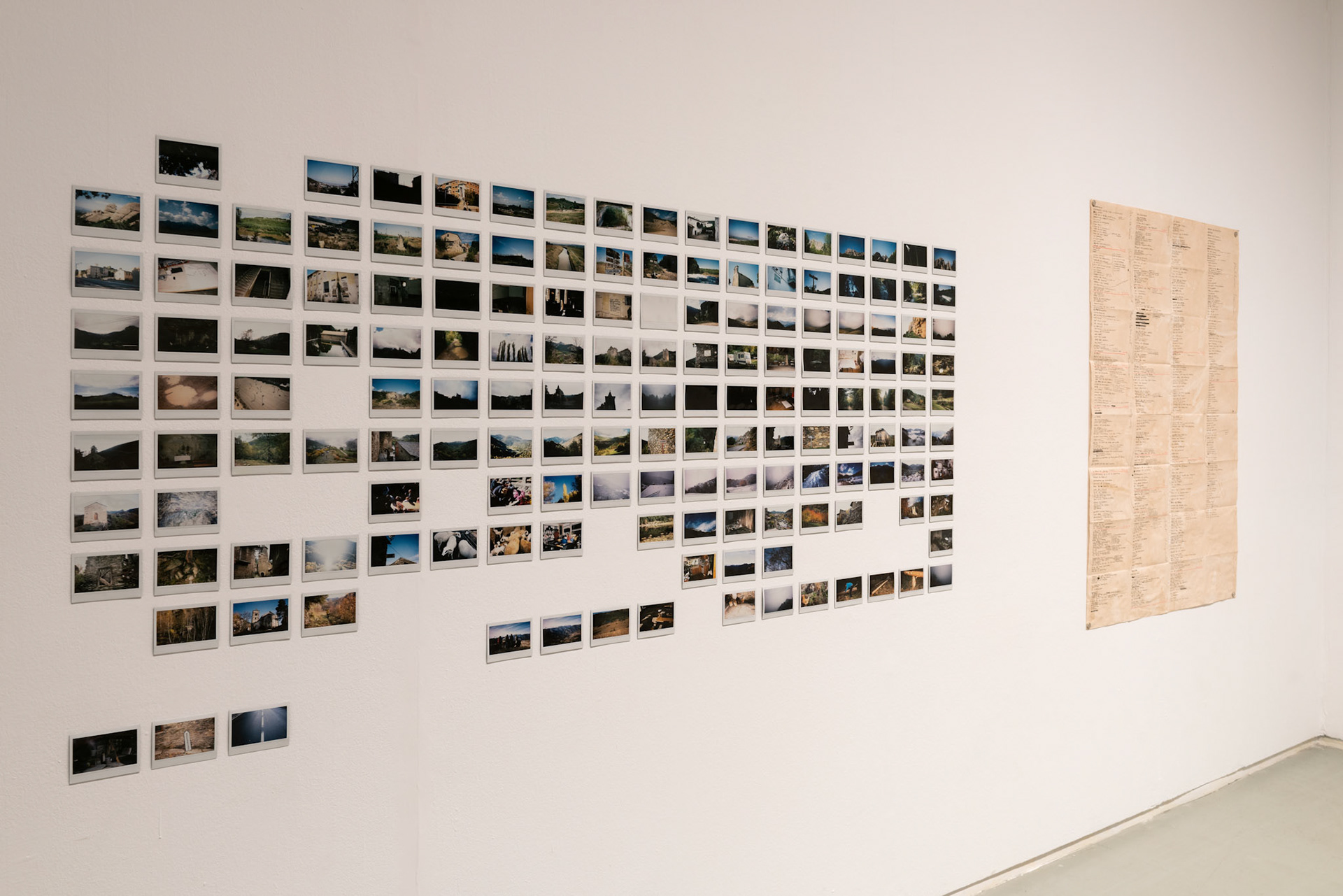
Installation view, La Panera, Lleida, 2019
The route was completed between September 25 and October 15, 2018. · Full screen view
“I travel to know my geography” (anonymous)1.
My perception of time and space changed profoundly during the Pyrenean crossing of the Spanish–French border that I carried out in the summer of 2017 while developing my project En frontera. On that occasion I discovered the creative and healing force of walking and its power of liberation. In the Pyrenees I learned that to walk is to surrender oneself in order to appropriate time and space.
It is from this premise that La Entrega is born: a project conceived as a set of actions where walking—understood as an aesthetic and creative practice—is the primary motor. The title voluntarily refers both to the idea of consignment and to that of abnegation, a characteristic common to artistic practice and walking.
The work presented is the result of the first act of the project, carried out between September and December 2018 thanks to the “Arte i Natura” grant from the contemporary art centre La Panera (Lleida), together with the Centre d’Art i Natura of Farrera (Lleida).
This first act consists of two main parts. The first, a 350 km journey2, walking for 21 days from my studio in Barcelona—located in the Piramidón contemporary art centre—to the Centre d’Art i Natura of Farrera, a small village in the Pyrenees of Lleida, 1,300 metres above sea level. The route was developed “connecting” six art centres3 and crossing 8 counties, from sea level to the mountain, reaching a maximum height of 2,500 metres4. During the trip I devoted myself to making a kind of inventory of the territory, collecting material, recording videos and taking photos (digital and instant), drawing landscapes, maps and routes, experimenting with liquids and matter. At the end of each day of walking, the entrega was certified and stamped by the place chosen to spend the night (hostel, refuge, private home, etc.) in custom-made booklets inspired by the Pilgrim’s Credential of the Camino de Santiago.
All this material was therefore the object delivered and at the same time the testimony of the artist’s dedication, of the time devoted, and of the space travelled.
The second part of the project took place during the residency at the Centre d’Art i Natura of Farrera, where I produced most of the work based on the material collected and produced along the way. The main support of the entire production is paper, prepared in different sizes between 50 × 70 cm and 140 × 200 cm and folded as maps are usually folded. Part of the material I carried with me during the journey—blank maps to use as travel notebooks or logbooks—while the rest I devoted to the residency work, deepening the research carried out during the crossing.
The project, based on a strong experiential component, is characterized by a wide stylistic register and by its experimental vocation. As in the case of En frontera, the journey is the end but also the means: a key to understanding what exists and a fundamental part of the creative process in which the artistic product is indispensable. The particular state of trance induced by walking for long periods thus became the means to explore new geographical and emotional territories from which the artwork becomes cartography—at once discovery and trophy.
Thanks to: Kati Riquelme, Andrea Leria, Andrea Barello, Kike Bela and The Good Good, Hugo Vázquez, Joana Cervià and Josep Rubio, Rosa Lendinez, Jordi Martínez-Vilalta, Alicia Calle, Konvent, Miquel Martínez-Vilalta and Anna Motis Berta, Marga Bruna, Javier, María and Nacho Pagonabarraga, Natalia Carminati, Paula Bruna, Marc Badia and his whole family, Claudia Karina Godoy, Carlos Puyol, Lluís Lobet and the Centre d’Art i Natura of Farrera, the whole community of Farrera, Antoni Jove and Roser Sanjuan, La Panera, Jia-ling Hsu, Pau Cata, Sole Pieras, Ivan Franco Fraga, Aida Mestres, Andreu Dengra Carayol and the Centre d’Art Maristany, Sophie Blais, Sarah Goodchild Robb and Can Serrat, CDAN of Huesca, Raül Maigí and the Museu de Montserrat, Josep Estruch and Montserrat Rectoret-Blanch, Mireia C. Saladrigues, Fede Montornes, David Armengol, Alberto Gil Cásedas, Pilar Parcerisas, William Truini, Guillermo Pfaff, Josep Maria Cabané, Sandra Sanseverino, Montse Bonvehi, the Club Excursionista de Gràcia, Piramidón…
In collaboration with:

With the support of:

-
Phrase attributed to a “madman” by Marcel Réja in L’art chez les fous, Paris, 1907; cited by Céline Flécheux in “El viatge invisible”, in L’espessor de la Muntanya by Abraham Poincheval, 2017, Ed. Días Contados. Réja was also cited by Walter Benjamin in Paris, capital du XiXe siècle, Paris, 2009. ⤶
-
The route took place between September 25 and October 15, 2018. ⤶
-
Piramidón (Barcelona), Centre d’Art Maristany (Sant Cugat), Can Serrat (El Bruc), Museu de Montserrat (Montserrat), Konvent (Berga), Centre d’Art i Natura (Farrera, Lleida). ⤶
-
Pedraforca, 2506 m. ⤶